Executive Whitepaper Summary: Navigating China's Precision Pocket Robot Supply Chain
The international market for compact consumer electronics has undergone a radical paradigm shift. Consumer appetite has swiftly transitioned from non-responsive novelty desktop items to hyper-personalized, multimodal AIBI pocket robots and intelligent companion hardware. As an executive procurement officer, category manager, or global distributor, sourcing directly from China's premier high-tech robotic corridors—specifically centered around Shenzhen, Guangdong—presents an unmatched structural advantage in BOM (Bill of Materials) cost optimization, rapid SMT turnaround, and advanced sensor fusion engineering.
This industrial whitepaper uncovers the manufacturing blueprints, quality assurance criteria, regulatory compliance matrix (CE, RoHS, FCC, EN71, ASTM F963), and technical architectures that distinguish top-tier Chinese manufacturing operations from third-party assemblers. Backed by verified onsite evaluations through TÜV Rheinland and established R&D divisions, Shenzhen Vgoodtoys Technology Co., Ltd. sets the industrial benchmark for customizable smart companions, micro-optical STEM devices, and high-performance miniature RC systems.
Featured Smart Hardware & Micro-Robotic Product Showcase
Review our export-ready inventory spanning precision digital microscopy, AI-assisted interactive companionship, and real-time FPV desktop telemetry. Each hardware platform is pre-engineered for white-label OEM firmware injection, custom CMF packaging, and turnkey distribution.
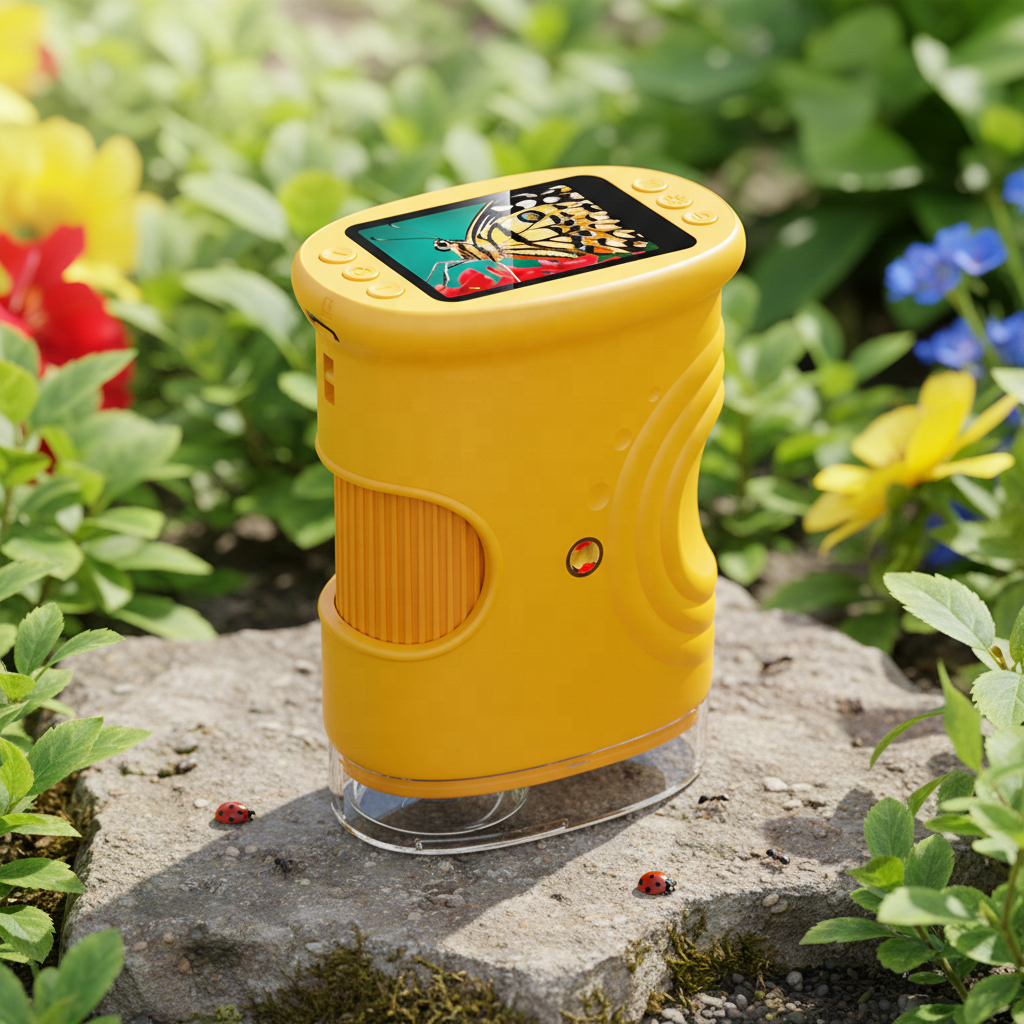
- Optics: Dual LED Optical Lens
- Power: Rechargeable Li-ion
- Certification: CE, RoHS, EN71
- MOQ: From 1 Piece
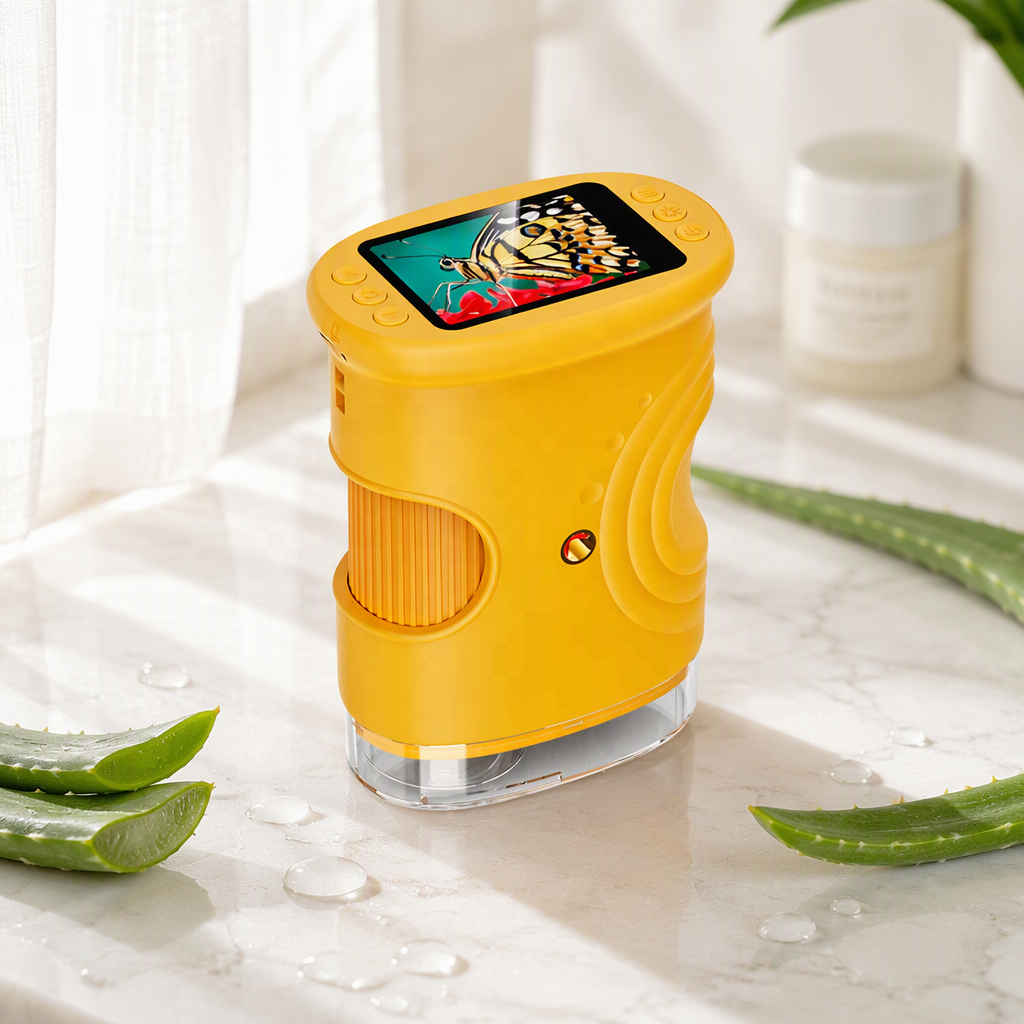
- Display: Integrated HD Screen
- Form Factor: Ergonomic Pocket
- Interface: Type-C USB Fast Sync
- MOQ: From 1 Piece

- Sensor: CMOS USB Digital Feed
- Illumination: Variable LED Ring
- Compatibility: PC / Tablet Bridge
- MOQ: From 1 Piece
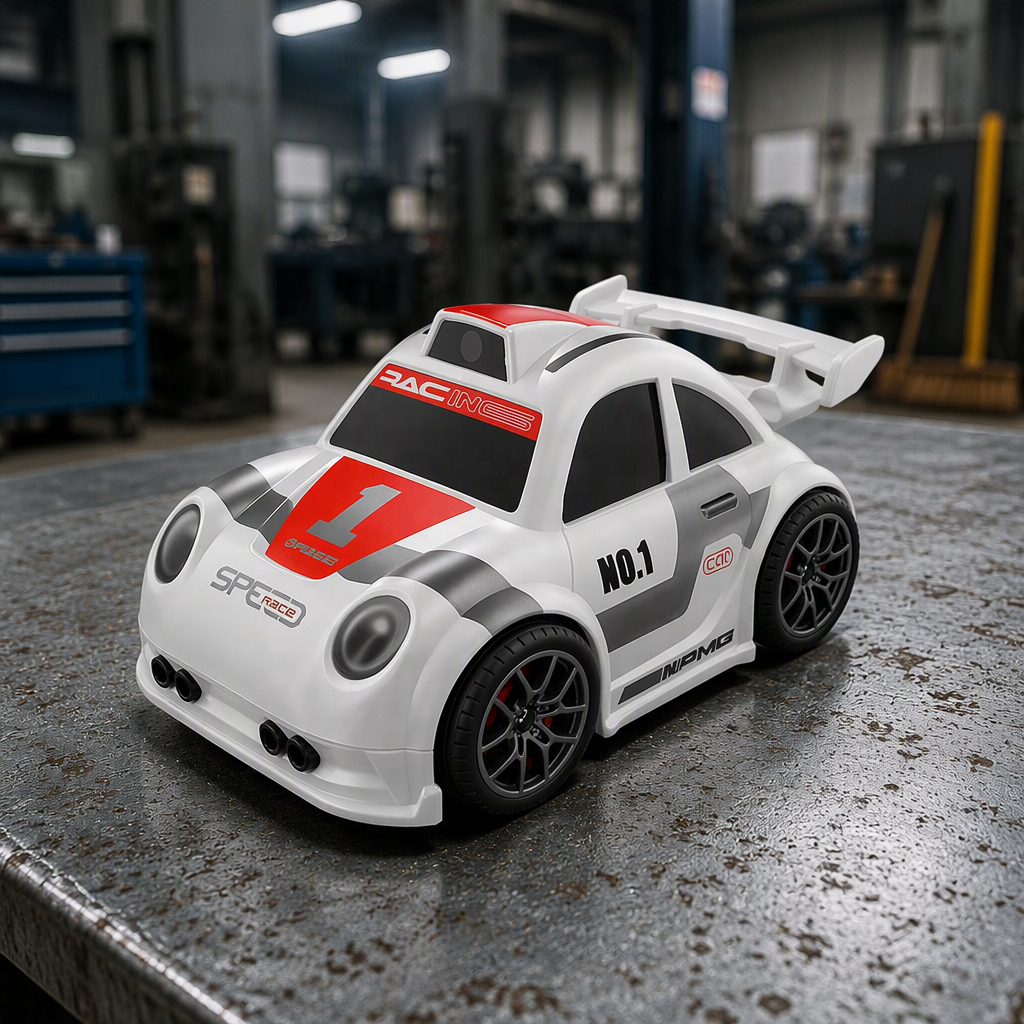
- Telemetry: Low-Latency FPV WiFi
- Sensors: Optical Flow / Follow-Me
- Chassis: Micro-Servo High Agility
- MOQ: From 1 Piece
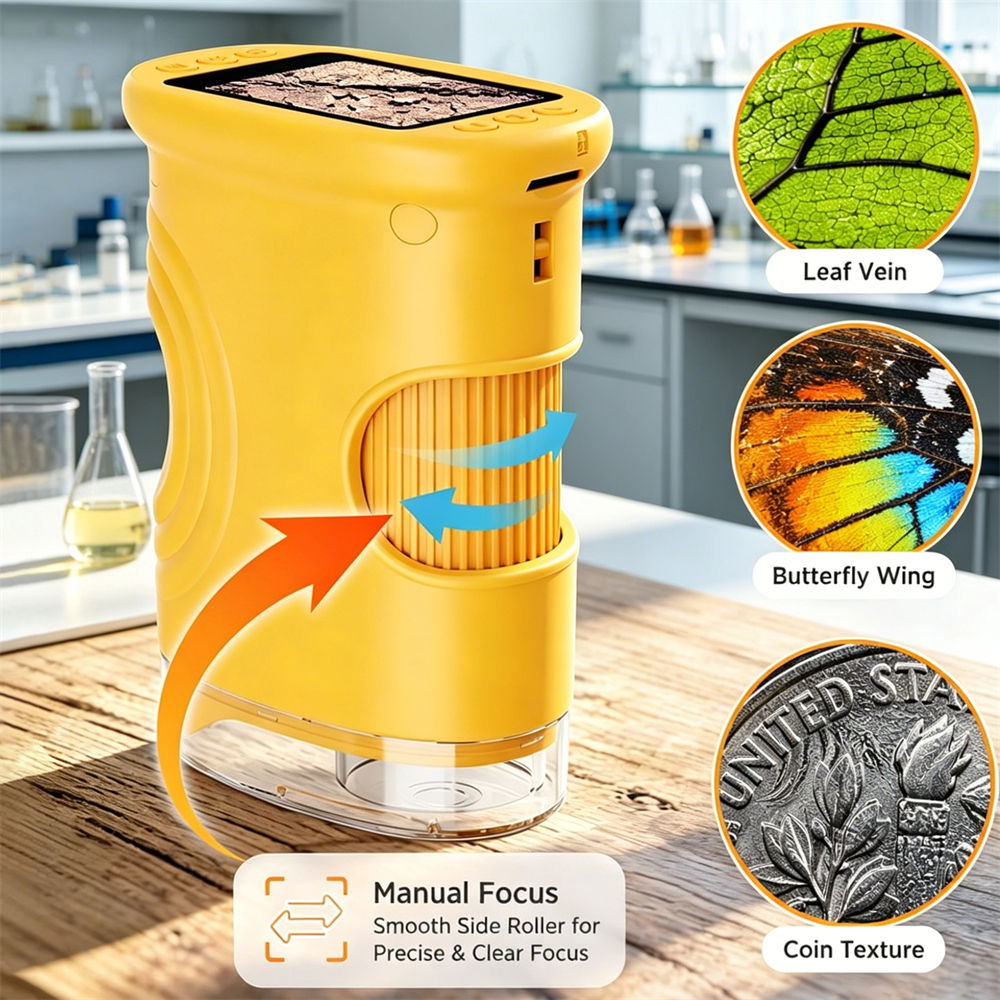
- Magnification: Up to 1000X True Optical
- Display: 2.0" IPS Vibrant Color
- Storage: MicroSD Snapshot Slot
- MOQ: From 1 Piece

- AI Core: Multi-LLM Voice Engine
- Features: Voice Chat, Poetry, Games
- Chassis: Articulated Mecha Shell
- MOQ: From 1 Piece
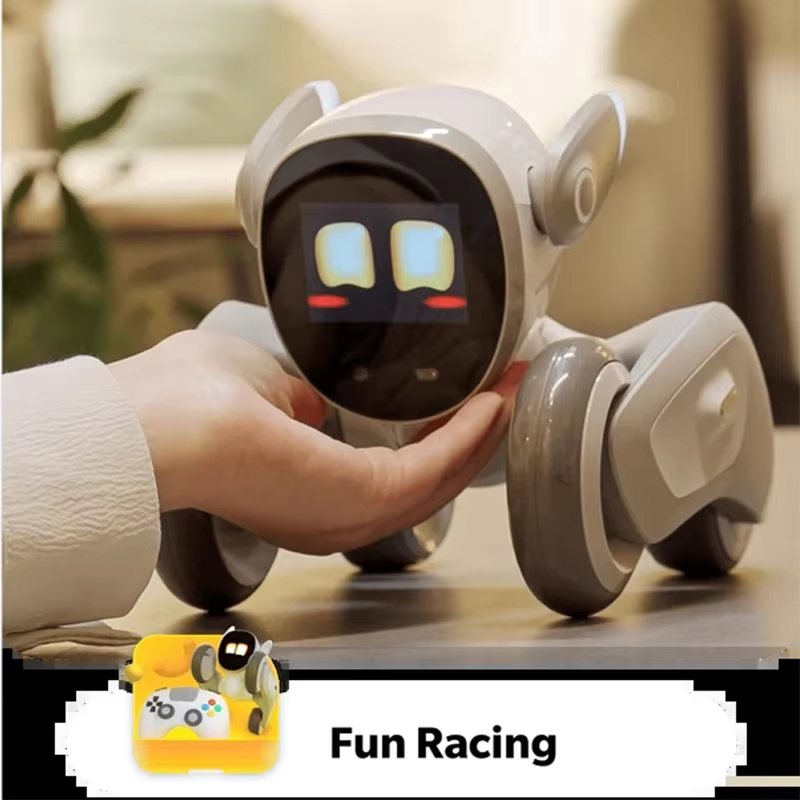
- Interaction: Touch + Voice Dual Sensing
- Mobility: Dynamic Rolling Omnidirectional
- Modes: Companion, Fetch & Chase
- MOQ: From 1 Piece
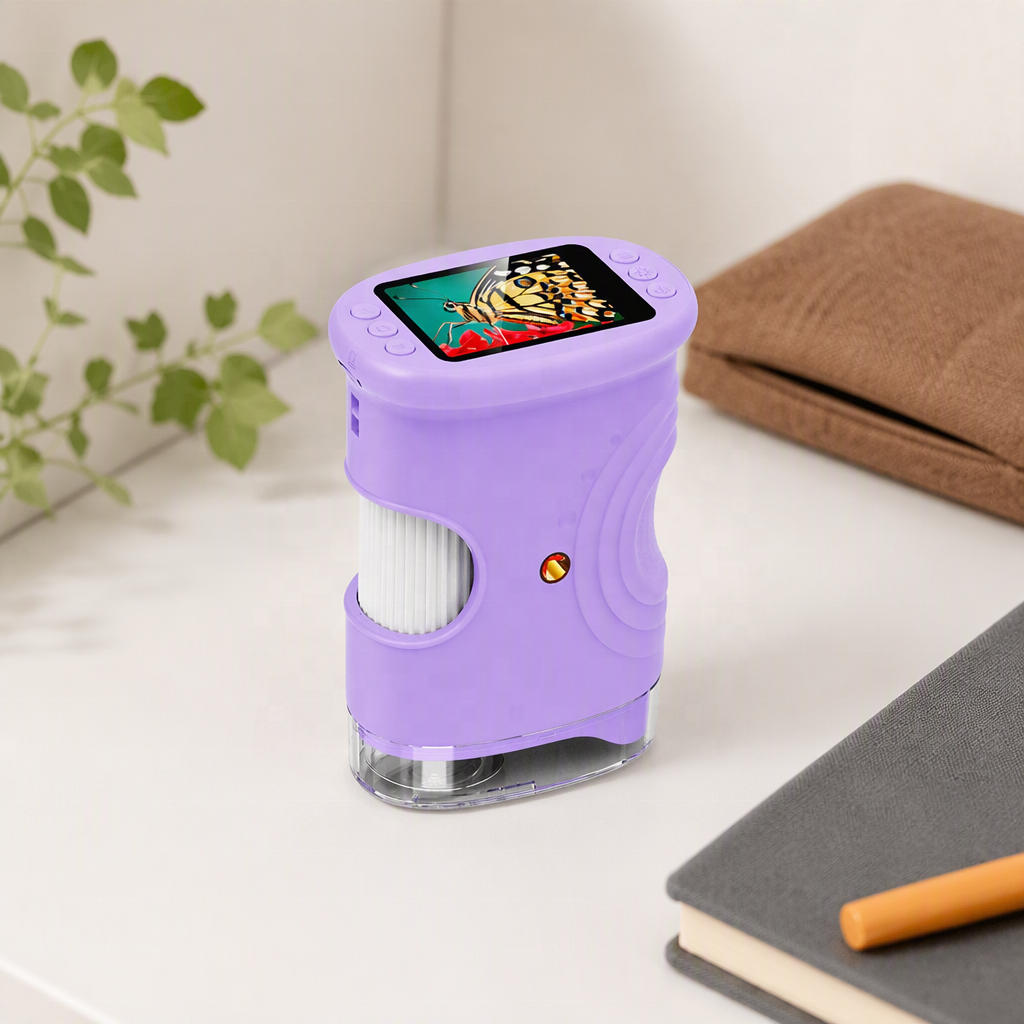
- Imaging: 2.0 MegaPixel HD Sensor
- Range: 1000x Continuous Zoom
- Ergonomics: Anti-Drop Handheld Grip
- MOQ: From 1 Piece
Technological Architecture of Contemporary AIBI Pocket Robots
Engineering a wearable or pocket-sized companion robot demands aggressive volumetric efficiency. Unlike stationary smart home hubs, an AIBI pocket robot consolidates edge-compute microcontrollers, sub-miniature optical modules, microphone arrays, multi-axis micro-servos, and battery management within an enclosure generally under 80mm in height.
Dual-Core Edge Micro-Compute
Leading factories implement ultra-dense 4-to-6 layer HDI PCBAs powered by dual-core RISC-V or ARM Cortex-M processors coupled with dedicated Neural Processing Units (NPUs). This enables ultra-low-power KWS (Keyword Spotting) and localized facial tracking while keeping passive thermals under 38°C during prolonged skin or pocket contact.
Acoustic Beamforming & DSP
High-performance miniature robots integrate dual digital MEMS microphones arranged in an end-fire or broadside configuration. Utilizing onboard Acoustic Echo Cancellation (AEC) and Blind Source Separation (BSS), the robot isolates human vocal cues across high-ambient-noise outdoor and classroom environments up to 3 meters away.
Sub-Miniature Actuation & CMF
Physical expressiveness in miniature robotics relies on custom hollow-cup coreless motors with planetary micro-gearboxes rated for >100,000 duty cycles. Outer shells utilize food-grade Bayer PC-ABS composites engineered with UV-resistant coatings to prevent degradation and guarantee drop resistance from standard desk heights.
Future Procurement Trends for AIBI Pocket Robots (2025–2030)
Procurement directors must look beyond static price-per-unit comparisons. The smart toy and miniature robotics sector is converging with modern enterprise SaaS, privacy frameworks, and rapid hardware modularity. Below are the definitive structural trends impacting wholesale purchasing decisions over the next five years.
Shift from Pure Cloud APIs to Hybrid Edge Small Language Models
High recurring cloud token costs (via OpenAI or Anthropic endpoints) have historically squeezed retail margins. Next-generation AIBI pocket robot factories are introducing on-device SLMs (Small Language Models under 1.5B parameters quantized to 4-bit) running locally on low-power SOCs. This architecture slashes cloud server overhead by up to 70%, guarantees offline conversational continuity, and eliminates latency.
Universal Magnetic Wearable & Desktop Ecosystems
Consumer utility is no longer confined to desk spaces. Procurement orders are overwhelmingly favoring models featuring neodymium magnetic lanyard arrays, clip-on lapel docking, and inductive Qi-charging desktop bases. A single SKU can now function as a wearable AI pendant, a pocket travel buddy, and a desk-bound smart assistant, multiplying retail appeal across diverse demographics.
Zero-Data-Retention Compliance: COPPA 2.0 & EU AI Act
Importers across North America and Europe face tightening compliance hurdles regarding biometric voice capture and visual recognition. Premier Chinese manufacturers are implementing physical hardware camera shutters, encrypted EEPROM storage, and zero-knowledge localized facial feature vectorization, guaranteeing full alignment with the EU AI Act Class II risk classifications and US FTC child-privacy safeguards.
Shenzhen Vgoodtoys Technology: Factory Infrastructure
Shenzhen Vgoodtoys Technology Co., Ltd. stands as an authoritative leader in the development and large-scale manufacturing of AI educational robots, intelligent plush toys, desktop companion pets, and miniature optical systems. Based in the global electronic manufacturing capital of Shenzhen, our facility integrates complete industrial chain operations—from CAD/molding and SMT chip placement to cleanroom optical assembly and multilingual NLP cloud integration.
Unlike non-specialized trading intermediaries, our factory offers systematic turnkey OEM/ODM pathways: rapid 3D prototyping within 72 hours, tooling cycle turnarounds under 25 days, and localized firmware configurations supporting up to 66 languages. We mitigate global buyer risk through flexible minimum order quantities (starting from 1 piece for evaluation) coupled with enterprise-grade QA batch testing.
 TÜV Rheinland Onsite Inspected
 Verified Supplier Status
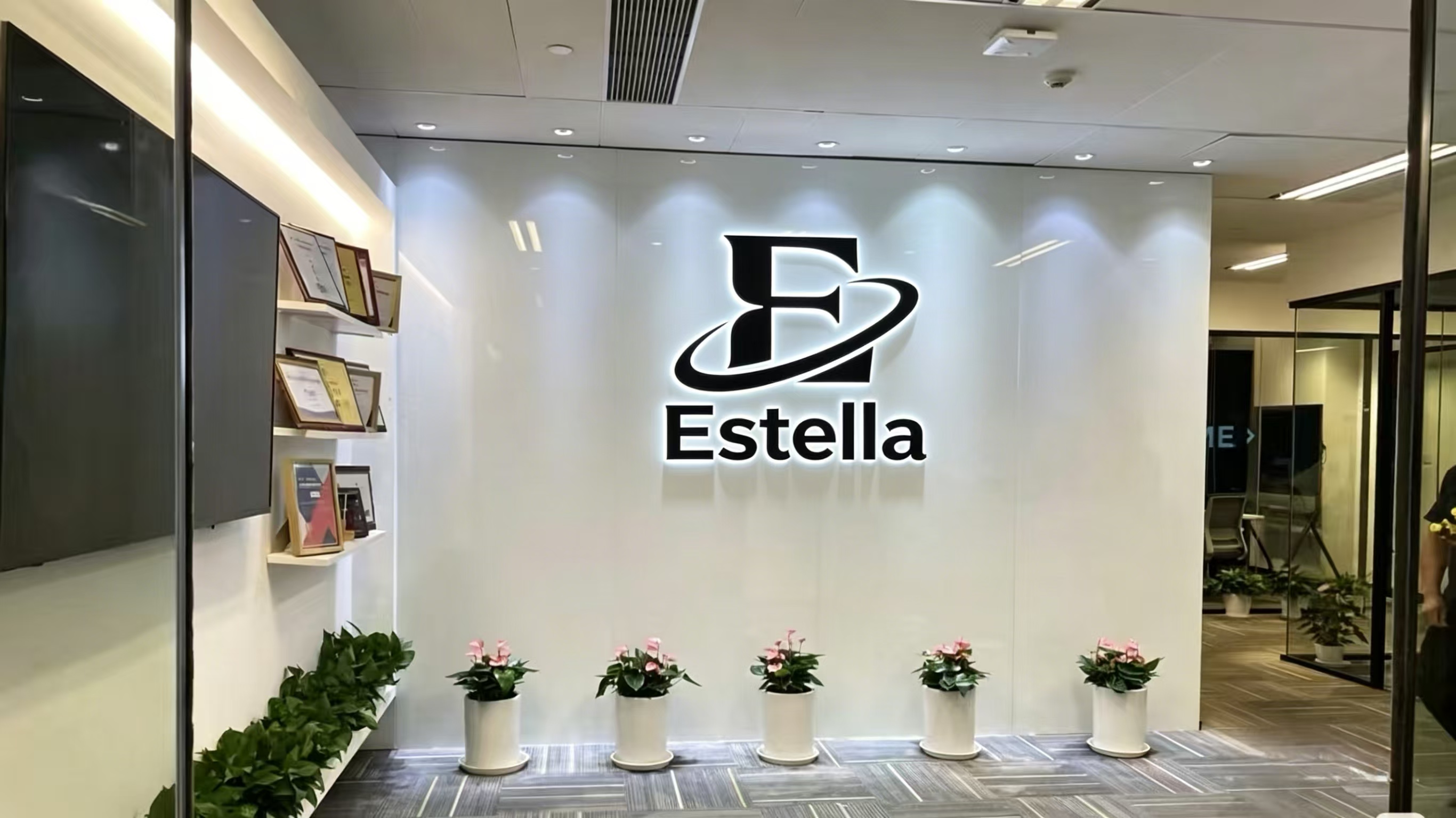 Tech Showroom
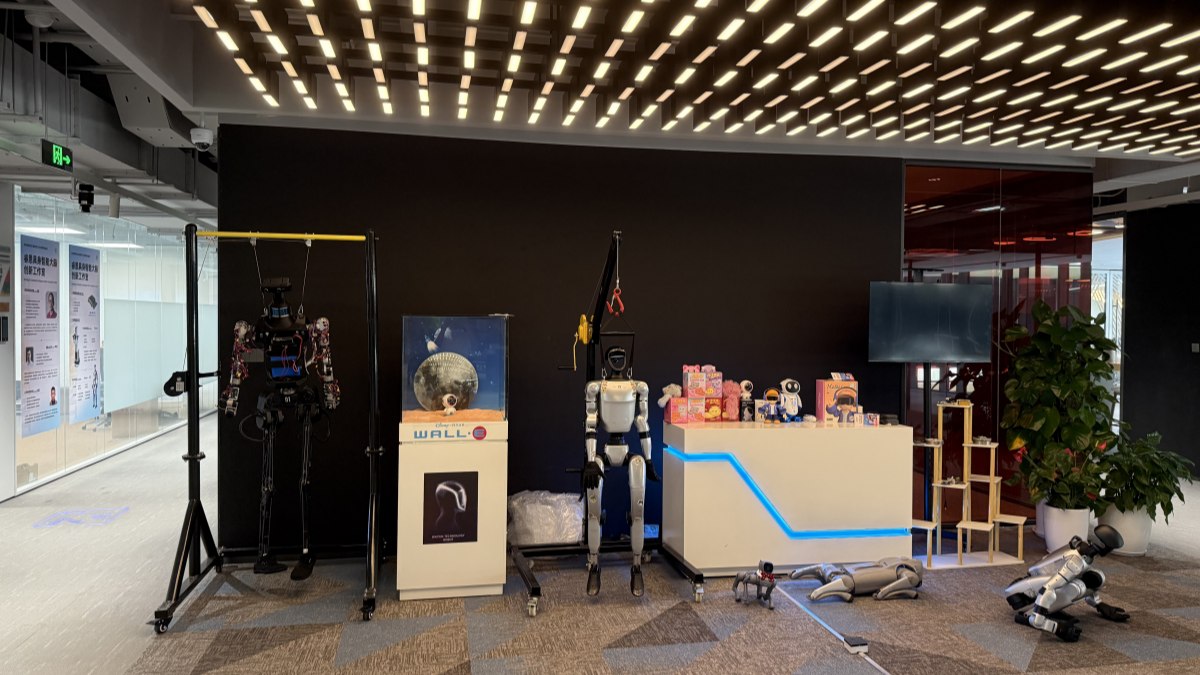 R&D Division
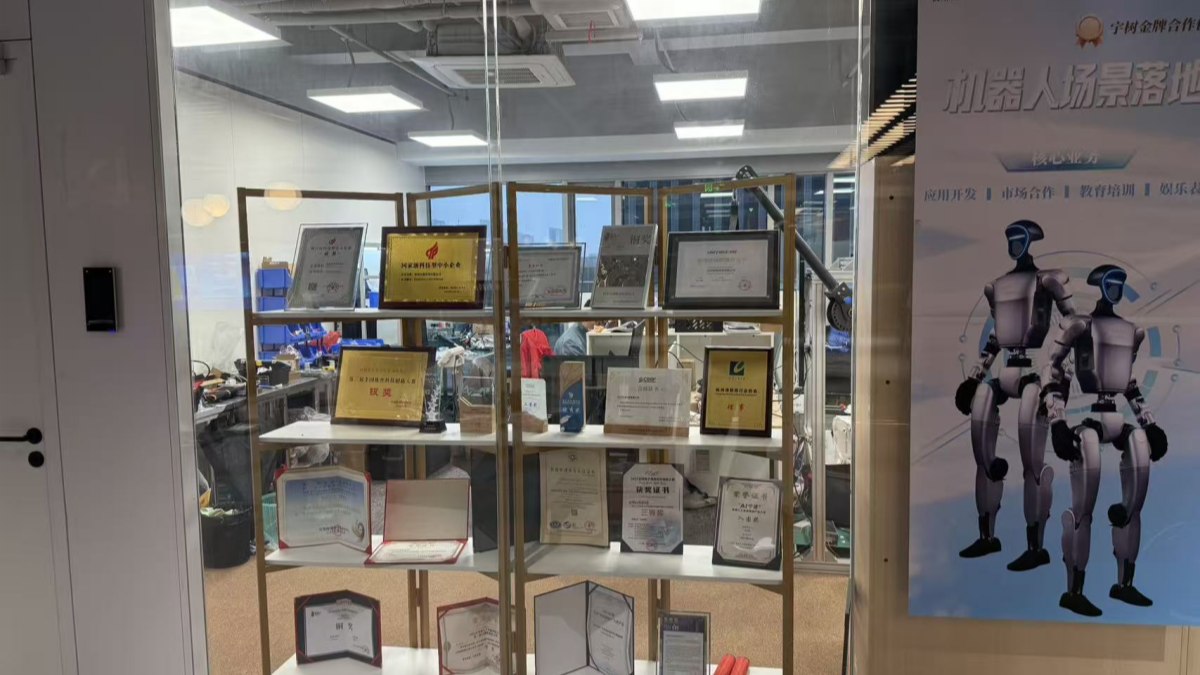 Assembly Line
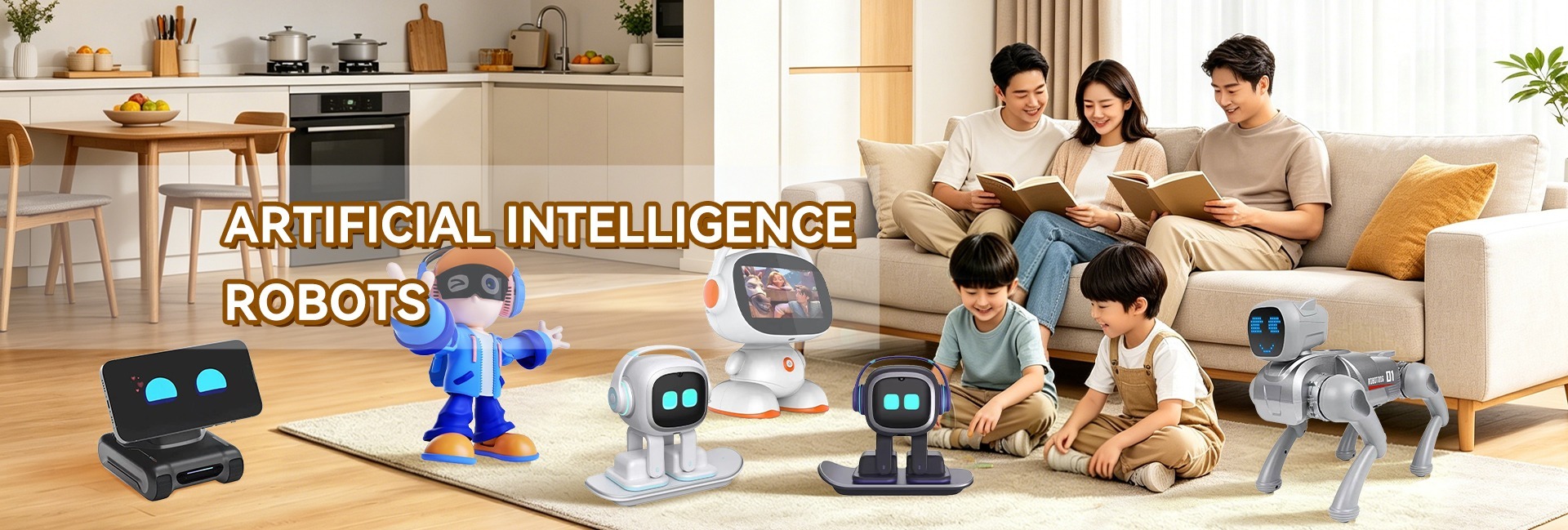 Product Testing
B2B Procurement & Sourcing FAQ
Critical technical, commercial, and regulatory answers addressing common friction points encountered by international buyers sourcing AIBI pocket robots and compact electronics from China.
Empower Your Hardware Portfolio with China's Premier AI Robotics Factory
Connect directly with our engineering and procurement team in Shenzhen. Request complete technical BOM breakdowns, customized tooling estimations, or sample dispatch within 24 hours.