Blog
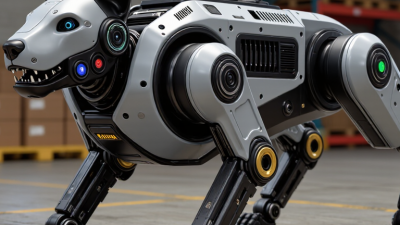
What Is the Top AI Robot Dog for Global Buyers?
What Is the Top AI Robot Dog for Global Buyers? The answer depends on verified performance, not dramatic demonstrations. A capable AI robot dog should navigate uneven floors, stairs, warehouses, farms, and construction areas with dependable balance. It should also provide clear specifications for battery life, payload, cameras, sensors, connectivity, and operating temperature.
Industry data shows why this category deserves careful attention. The International Federation of Robotics reported nearly 205,000 professional service robots sold worldwide in 2023, representing approximately 30% annual growth. Its World Robotics 2024 report identifies logistics, transportation, cleaning, and inspection as major commercial applications. Goldman Sachs Research has also projected strong long-term expansion for the global robotics market, supported by automation, labor shortages, and improving artificial intelligence. These figures describe robotics broadly, not robot dogs alone. That distinction matters.
For global buyers, the top AI robot dog should combine mobility with practical deployment support. Look for autonomous mapping, obstacle avoidance, remote supervision, secure data handling, and a documented software-update policy. Check whether the supplier offers local training, spare batteries, repair access, and multilingual technical support. A machine that walks beautifully for ten minutes may fail during a full inspection shift. Real-world reliability is less exciting, but more valuable. Buyers should compare independent demonstrations, warranty terms, cybersecurity practices, and relevant safety certifications before purchasing. Marketing claims can still run ahead of field evidence. My view may change as testing improves, because this market remains young, uneven, and difficult to compare across regions.
Read more »
 By:Elowen
- October 28, 2026
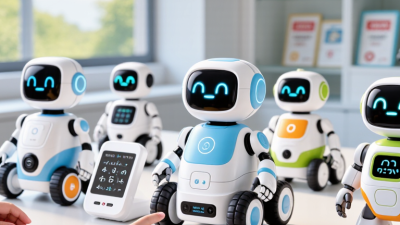
How to Source AI Robot Toys Globally in 2026?
Sourcing AI robot toys globally in 2026 requires more than comparing factory prices. Buyers must evaluate software quality, child safety, data protection, battery performance, and after-sales support. A toy may look impressive in a product video, yet fail after repeated charging or lose voice functions in a noisy room. Small details matter.
Dr. Cynthia Breazeal, an MIT roboticist and leading social-robotics researcher, has said, “The future of robotics is social.” Her observation is especially relevant to AI robot toys. These products interact with children, families, and educational environments. Suppliers should therefore explain how speech data is handled, where cloud services operate, and whether parents can disable recording features. Independent testing, clear age grading, traceable materials, and reliable firmware updates should guide supplier selection.
The sourcing process should include factory audits, sample testing, pilot orders, and transparent communication about defects. Ask for documented quality controls, not attractive promises. Check whether the manufacturer can support different languages, electrical standards, packaging requirements, and regional customer service. No sourcing plan is perfect. A spreadsheet can still miss a weak microphone, confusing setup instructions, or an unsafe charging cable. That is why buyers should test products with real families before placing large orders. Ethical sourcing also means avoiding exaggerated claims about intelligence, learning, or emotional abilities. Responsible brands describe limitations clearly. They protect children’s privacy and build trust through evidence, not excitement alone.
Read more »
 By:Ethan
- October 21, 2026
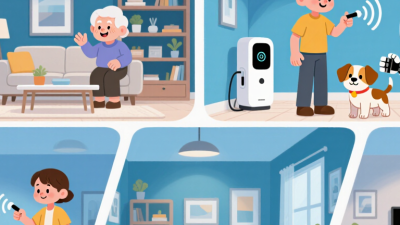
Why Choose an AI Pet Robot for Global Buyers?
For global buyers, an AI pet robot is no longer only a novelty on a living-room shelf. It can offer companionship, voice interaction, playful movement, and basic home engagement. These features matter in apartments, elder-care settings, classrooms, and households where real pets are difficult to keep.
Industry data suggests that consumer service robotics is expanding. The International Federation of Robotics reported approximately 5.1 million consumer service robots sold worldwide in 2022. This figure includes several categories, not only AI pet robot products. That distinction matters. It prevents inflated market claims. Grand View Research has also identified growing demand for social and companion robots, supported by artificial intelligence, voice interfaces, and connected devices. However, market definitions remain inconsistent. Buyers should examine product specifications, support policies, language coverage, and data practices carefully.
Dr. Cynthia Breazeal, an MIT social robotics expert, describes social robots as “robots that are designed to interact with people in a natural way.” Her observation explains the appeal of an AI pet robot: its value depends on interaction, not mechanical movement alone. A responsive robot that turns its head, follows a voice, or remembers a user’s routine feels more engaging than a simple electronic toy.
Still, the experience is not perfect. Speech recognition may struggle with accents. Battery life can disappoint. Some emotional responses may feel artificial. That is not necessarily a failure, but it requires honest expectations. Global buyers should compare independent reviews, warranty coverage, software updates, and regional compatibility before purchasing. The best choice is not always the most advanced model. It is the robot that fits daily habits, physical space, and human needs.
Read more »
By:Ethan
- October 21, 2026
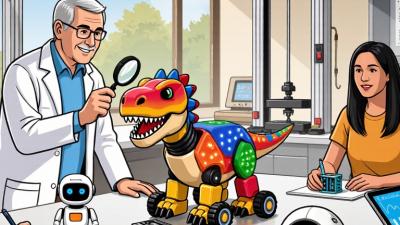
How to Source AI Toys for Global Markets?
Sourcing AI toys for global markets demands more than attractive features and a competitive factory quote. Buyers must connect product design with child safety, data protection, quality control, and local demand. A talking dinosaur may delight children in London, yet confuse families in Tokyo if its voice settings feel unnatural. Its battery compartment, microphone behavior, and charging instructions deserve the same attention as its packaging. Children notice quickly.
A dependable sourcing process starts with verified manufacturers, clear technical specifications, and traceable samples. It should examine firmware updates, content moderation, parental controls, and offline functions before production begins. Independent laboratory testing can help assess mechanical hazards, electrical safety, radio performance, and restricted materials under applicable market rules. Requirements differ across markets. Request current test reports. Then verify their scope. Review sample logs, supplier audits, and escalation contacts before signing a purchase order. Keep records.
Experienced teams also compare language quality, cultural expectations, after-sales support, and replacement-part availability. A low unit price can become expensive when returns fill a warehouse or updates stop after launch. Plans fail. Some assumptions will fail, especially when children use products differently from test groups. That weakness deserves honest review, not polished promises. This guide presents practical questions for selecting AI toys responsibly, scaling production, and building trust across markets. Reliable growth starts with evidence, careful testing, and suppliers willing to disclose limitations.
Read more »
By:Ethan
- October 21, 2026