AI Voice AI
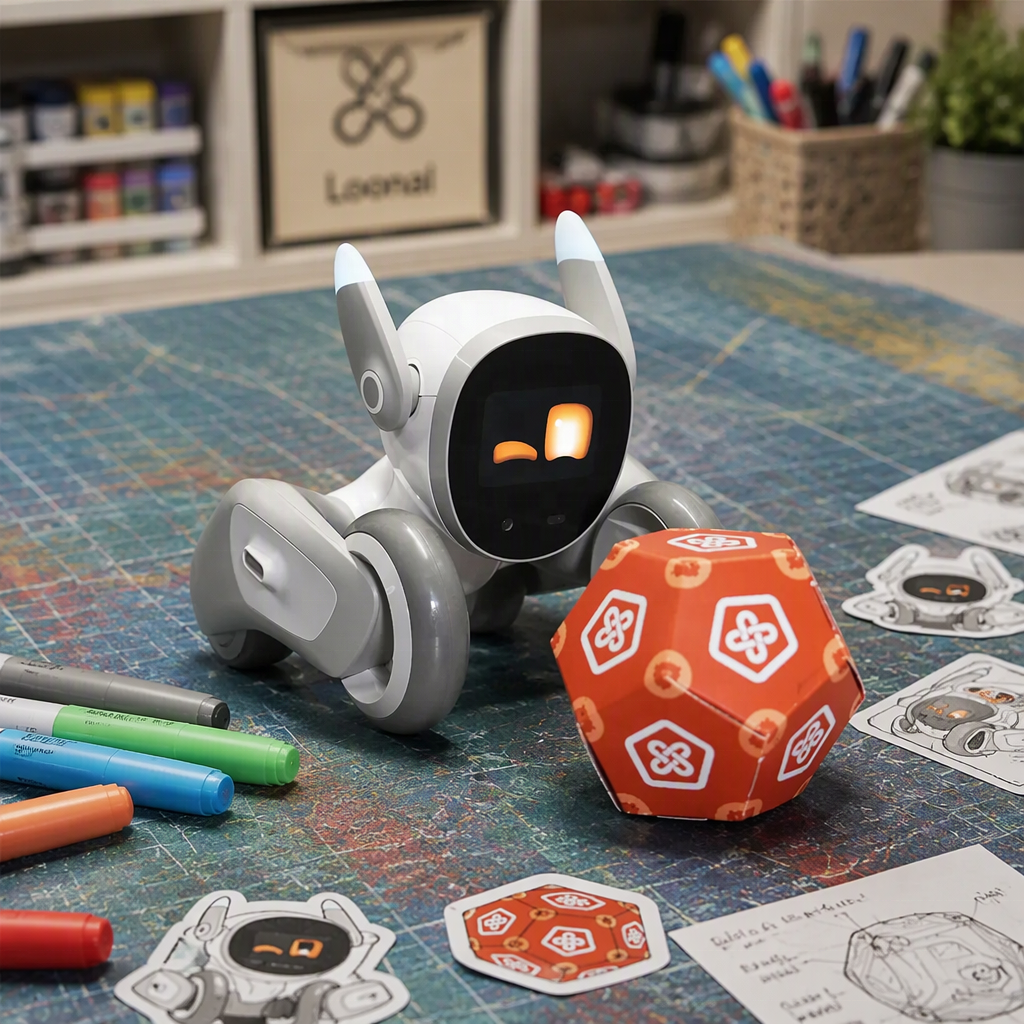
Rechargeable AI Pet Robot EVA Voice Interaction Companion
- Acoustics: Dual-Mic Beamforming
- Actuation: Dynamic Fetch Core
- Customization: Voice Persona / Chasis
Pre-engineered hardware architectures ready for firmware flashing, bespoke acoustic sound engineering, and multi-regional regulatory private-label distribution.
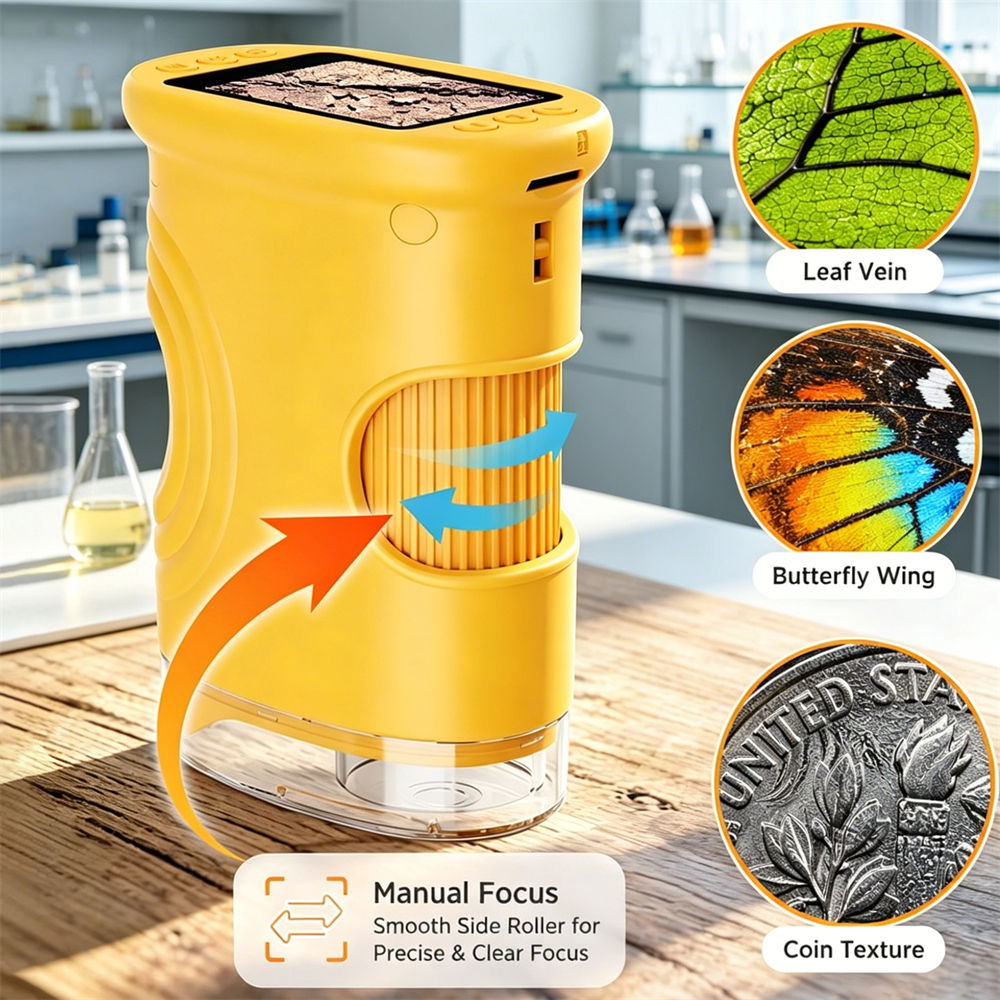
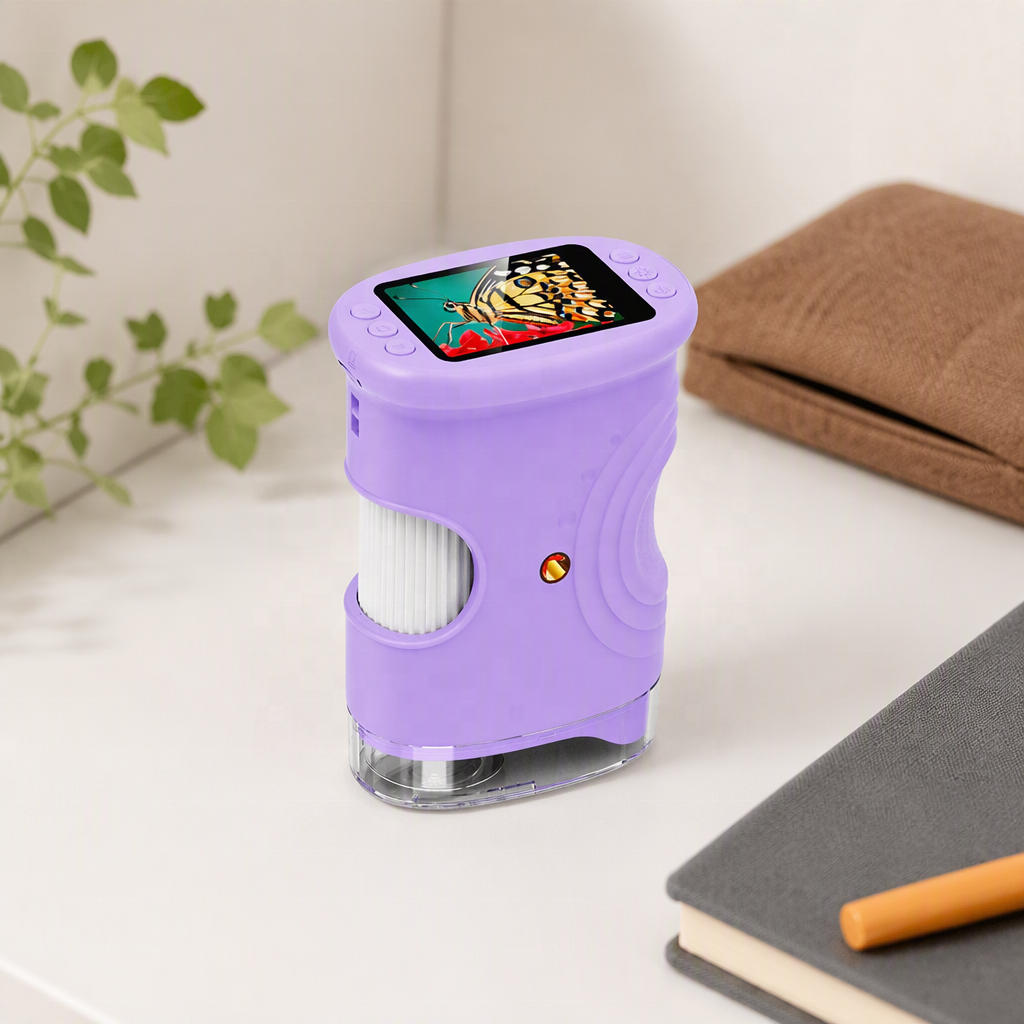
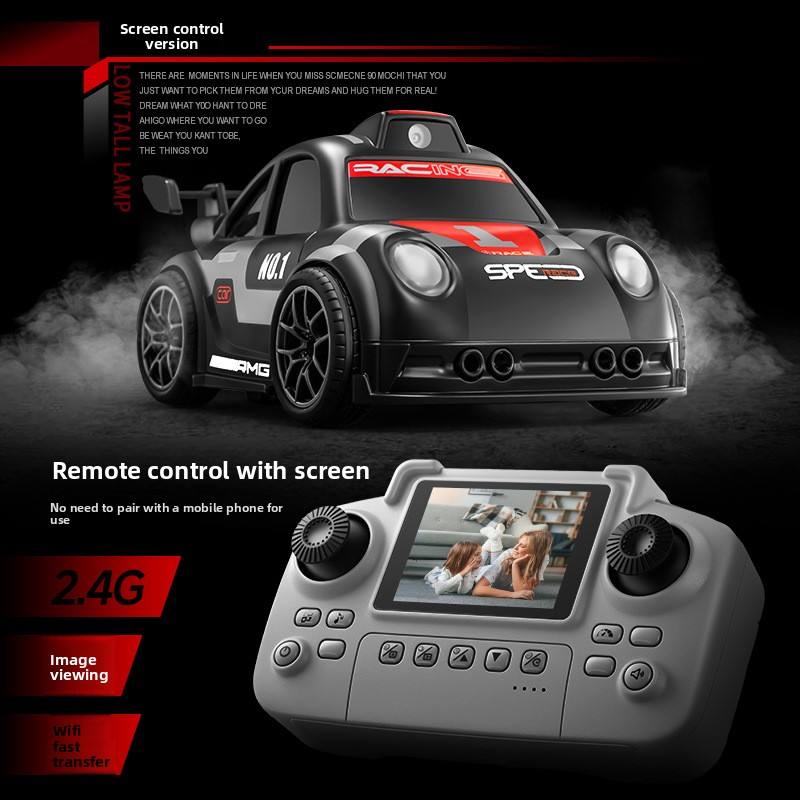



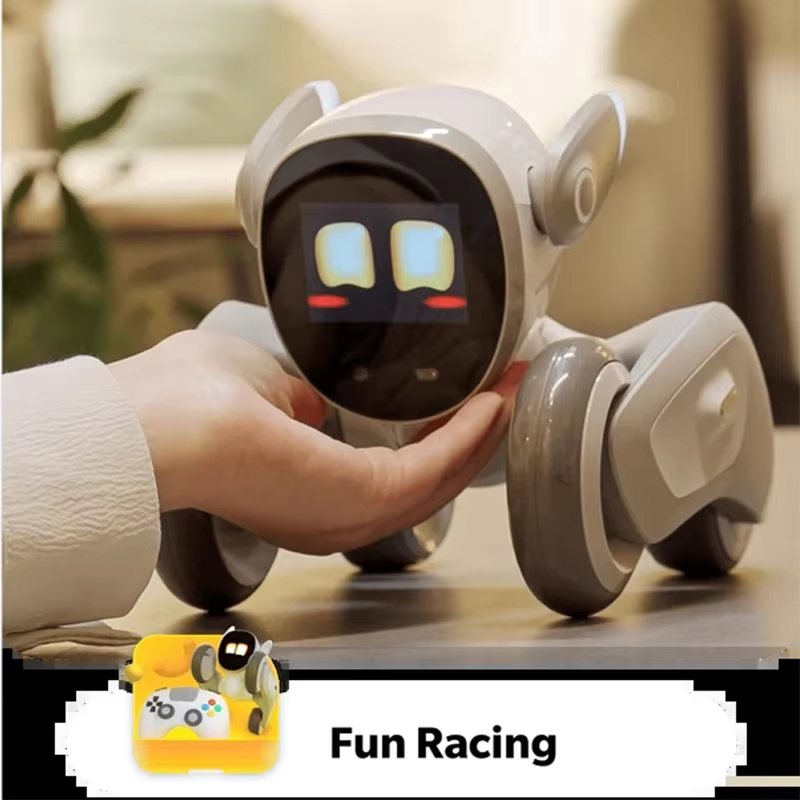
Analyzing the interplay between acoustic DSP synthesis, structural resonant cavities, and low-latency motor control in modern robotic quadrupeds.
The consumer robotics sector has transitioned beyond rudimentary mechanical novelty. In the current B2B landscape, commercial buyers must source OEM/ODM robotic dogs with sound that synthesize bio-mimetic auditory feedback with fluid physical kinematics. Achieving authentic acoustic reproduction in an active electro-mechanical chassis presents unique physical and electronic challenges: motor noise cancellation, harmonic vibration mitigation, and real-time audio synchronization.
Traditional toy engineering often treats sound modules as peripheral components, installing small piezo speakers behind perforated plastic grills. This results in the characteristic high-pitched, tinny playback that compromises market perception of high-tier robotics. In high-grade OEM/ODM manufacturing, the robotic canine skull or thoracic cavity is modeled as an optimized acoustic enclosure.
Using computational fluid dynamics (CFD) and finite element analysis (FEA), our engineering teams develop sealed micro-cavities isolated by thermoplastic elastomer (TPE) dampers. This structural decoupling prevents the structural resonances generated by high-torque coreless servo motors from bleeding into the acoustic chamber. Furthermore, micro-ported bass reflex channels enhance low-frequency response, permitting warm, naturalistic canine vocalizations, synthetic bark signatures, and rich interactive speech playback across dynamic volume ranges without plastic chassis distortion.
Dedicated digital signal processors (DSP) manage hardware noise suppression, acoustic echo cancellation (AEC), and wake-word recognition algorithms at under 45ms latency.
I2S multi-channel digital audio routing directly interfaces with proportional-integral-derivative (PID) kinematic control loops to ensure physical actions align seamlessly with sound output.
Four-layer PCB layouts with dedicated ground planes isolate Class-D audio amplifier chips from inductive motor back-EMF spikes, eliminating hiss and electronic buzzing.
For cross-border brand owners, SKU proliferation is a major logistical burden. Historically, shipping toys to Spanish, German, Japanese, and North American markets required distinct pre-recorded sound ROMs. Today, our ODM production lines implement flash-programmable flash storage supporting between 37 and 66 pre-loaded regional dialects. In our advanced companion lines, we integrate direct-to-cloud Wi-Fi and Bluetooth low-energy (BLE) architectures that interface with generative speech models, enabling the robot dog to function not merely as a stationary soundboard, but as an interactive multilingual conversational partner.
Procurement specifications across different market positions: entry-level commercial retail, educational STEM, and premium AI companion tiers.
| Hardware Specification | Standard Retail Tier | Educational STEM Tier | Premium AI Companion Tier |
|---|---|---|---|
| Degrees of Freedom (DoF) | 4–6 DoF (Gearbox linkage) | 8–10 DoF (Programmable servos) | 12–16 DoF (Magnetic encoder servos) |
| Acoustic Transducer | 40mm Mylar Cone, 0.5W | 36mm Neodymium Driver, 1.5W | Dual Stereo Micro-Chamber, 3W Class-D |
| Sound Interaction Modes | Pre-recorded ROM sound bites | Voice recognition + Sound coding block | Edge AI Dialog + Synthesized Bio-Emotions |
| Microphone Architecture | Single omni-directional electret | Dual-mic array with basic filter | Beamforming array with hardware AEC |
| Battery & Power Load | 3.7V 500mAh Li-ion (40 mins) | 7.4V 1200mAh Li-Po (75 mins) | 7.4V 2500mAh Smart Pack with BMS (120+ mins) |
| Target Global Compliance | CE, EN71, ASTM F963 | CE, FCC Part 15B, RoHS, EN62115 | CE, RED Directive, FCC ID, Prop 65, TELEC |
Actionable predictive insights for import category managers and supply chain architects navigating the 2025–2030 consumer robotics pipeline.
The global demand curve for robotic dogs with sound is decoupling from traditional holiday toy cycles and integrating with year-round smart living, emotional support, and STEM educational curriculums. Global retail buyers must prepare for three critical structural supply chain shifts:
First-generation smart robotic dogs relied extensively on persistent cloud connections for natural language processing and dynamic vocal replies. However, evolving privacy legislation—such as the European Union's GDPR-K protections and the US Children's Online Privacy Protection Act (COPPA)—imposes strict compliance liabilities regarding cloud-stored vocal recordings of minors. Consequently, forward-looking OEM/ODM procurement focuses heavily on ultra-low-power NPU microcontrollers capable of on-device word recognition, offline sound synthesis, and local behavior modeling without transmitting user audio payloads to external servers.
To reduce capital expenditure during new product rollouts, enterprise buyers are utilizing unified internal mechanical platforms paired with swappable exterior skins and reconfigurable sound libraries. By standardizing internal servo brackets, power distribution boards, and sound cavities, brands can launch multiple unique dog breeds (e.g., Cyber-Hound, Golden Retriever, Husky) or functional variants (STEM educator versus soothing pet) with zero re-tooling cost on the core chassis.
The high inventory risks associated with speculative mass-manufacturing runs have rendered traditional 5,000-piece baseline MOQs obsolete for mid-sized distributors. Modern factories, such as Shenzhen Vgoodtoys Technology Co., Ltd., offer baseline sampling from 1 piece and initial custom production runs scaled down to agile batch sizes. This provides distributors with the runway to test localized retail packaging, acoustic voicing, and channel acceptance before committing full container loads.
Direct answers addressing technical compliance, electro-mechanical manufacturing, and custom ODM contract terms.
Combining proprietary AI algorithms, full-stack hardware engineering, and TÜV Rheinland-verified manufacturing infrastructure.
Shenzhen Vgoodtoys Technology Co., Ltd. stands at the nexus of high-precision robotics engineering and cross-border commercial scaling. Operating in the hardware manufacturing hub of Shenzhen, China, we merge localized supply chain efficiency with Western quality assurance standards. Our contract engineering and production footprint encompasses: