Featured Electronic Pet & Smart Interactive Products
Industrial-grade precision, natural language processing, and robust kinematic mechanics engineered directly for retail chains, e-commerce brands, and global distributors.
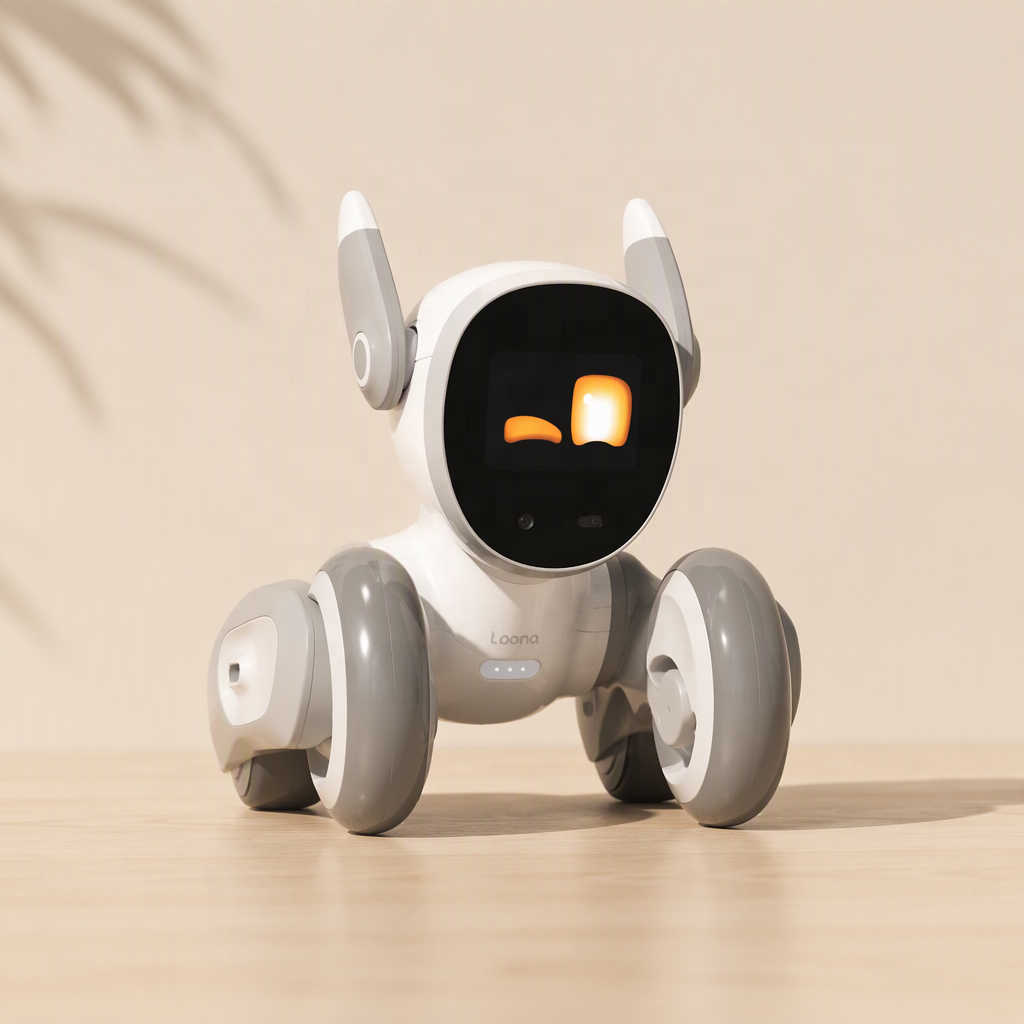
Rechargeable EVA AI Pet Robot Voice Interaction Fetch Ball Educational Companion Toy
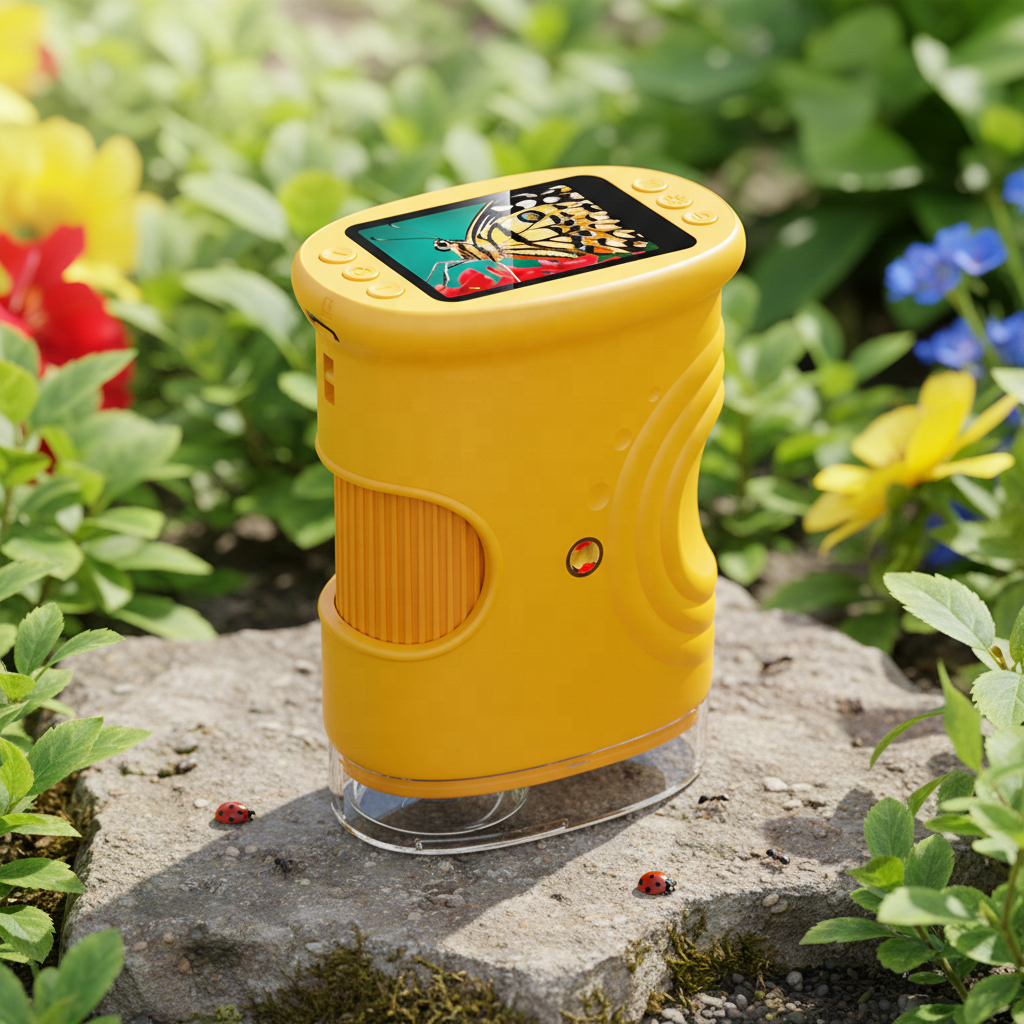
Educational Science Toy for Kids Portable Mini Digital Microscope with LED and Magnifier
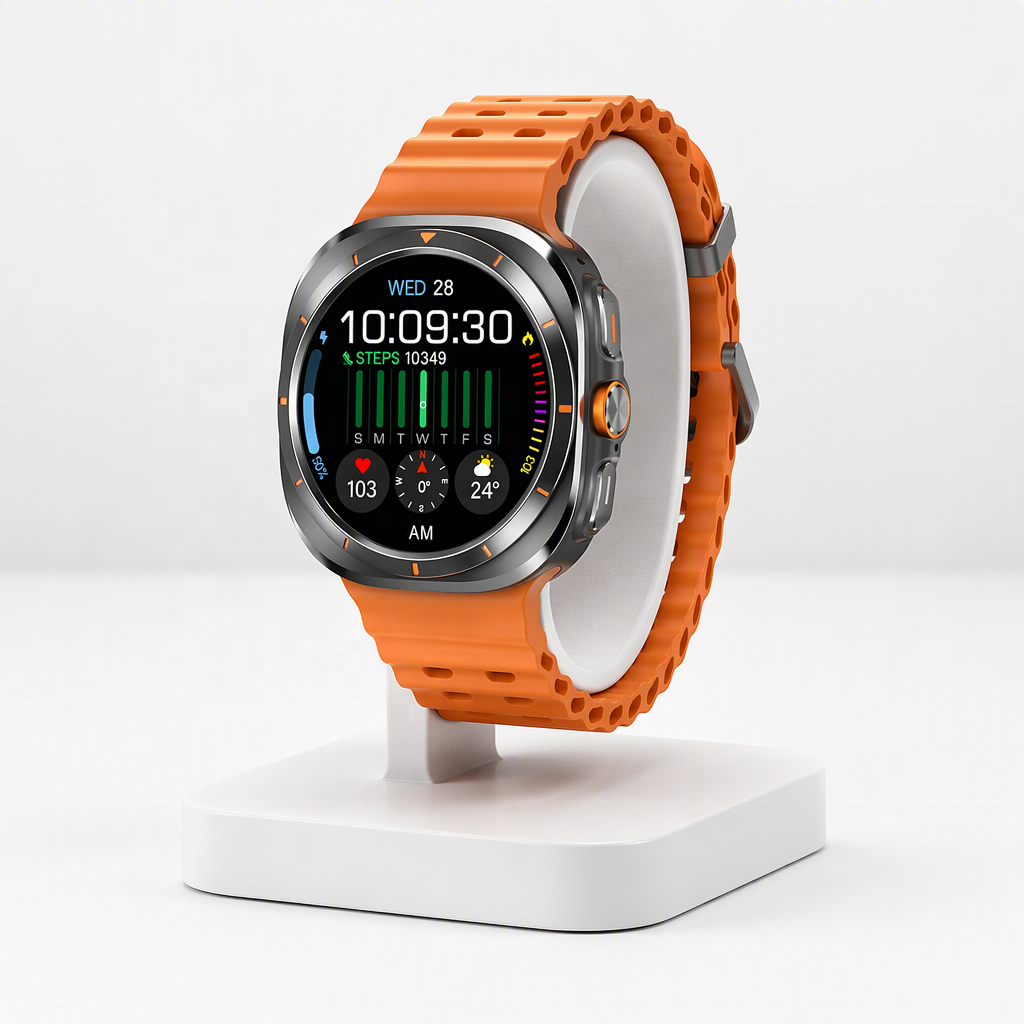
Newly Designed AI Smartwatch, Sleep Tracker, Square Shape, IP68 Waterproof Fitness Tracker
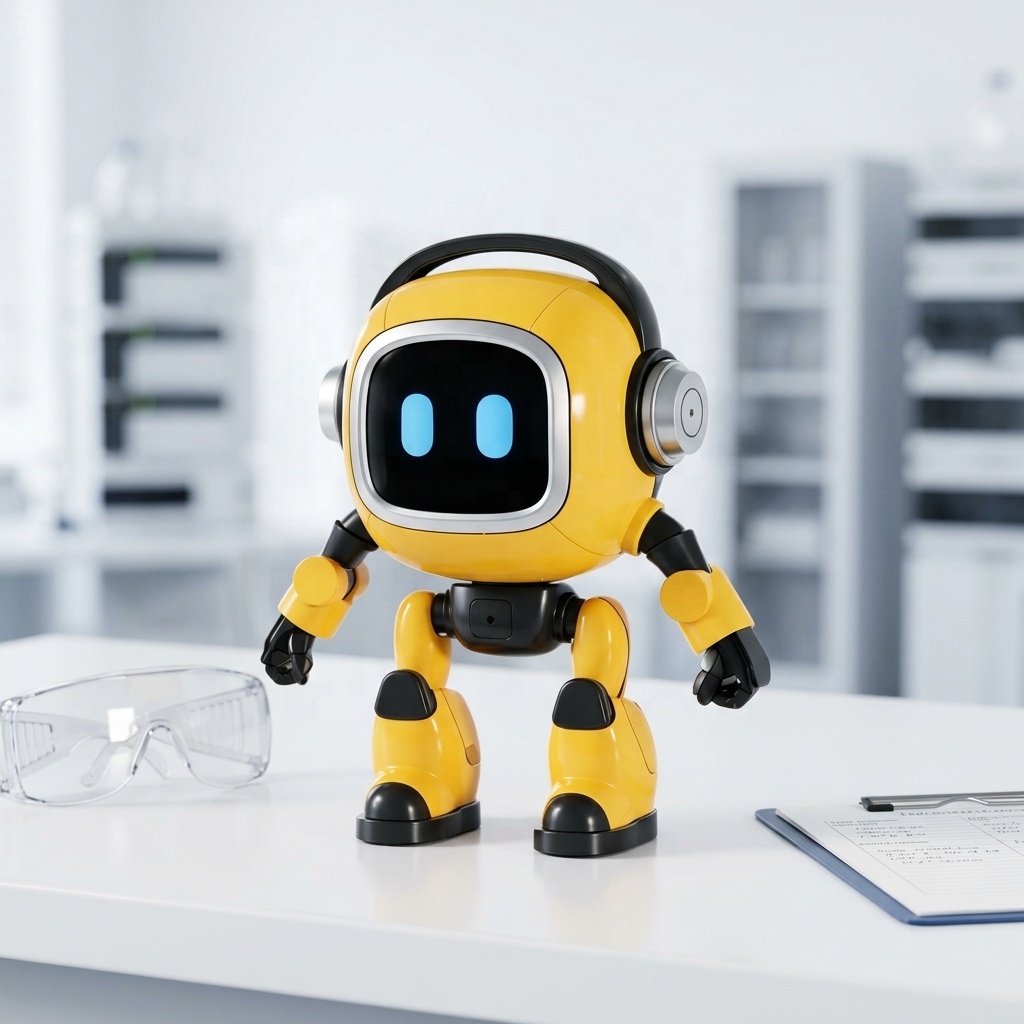
Family-friendly Interactive Games, AI Robot Chat, Poetry Enlightenment, Companion Robot
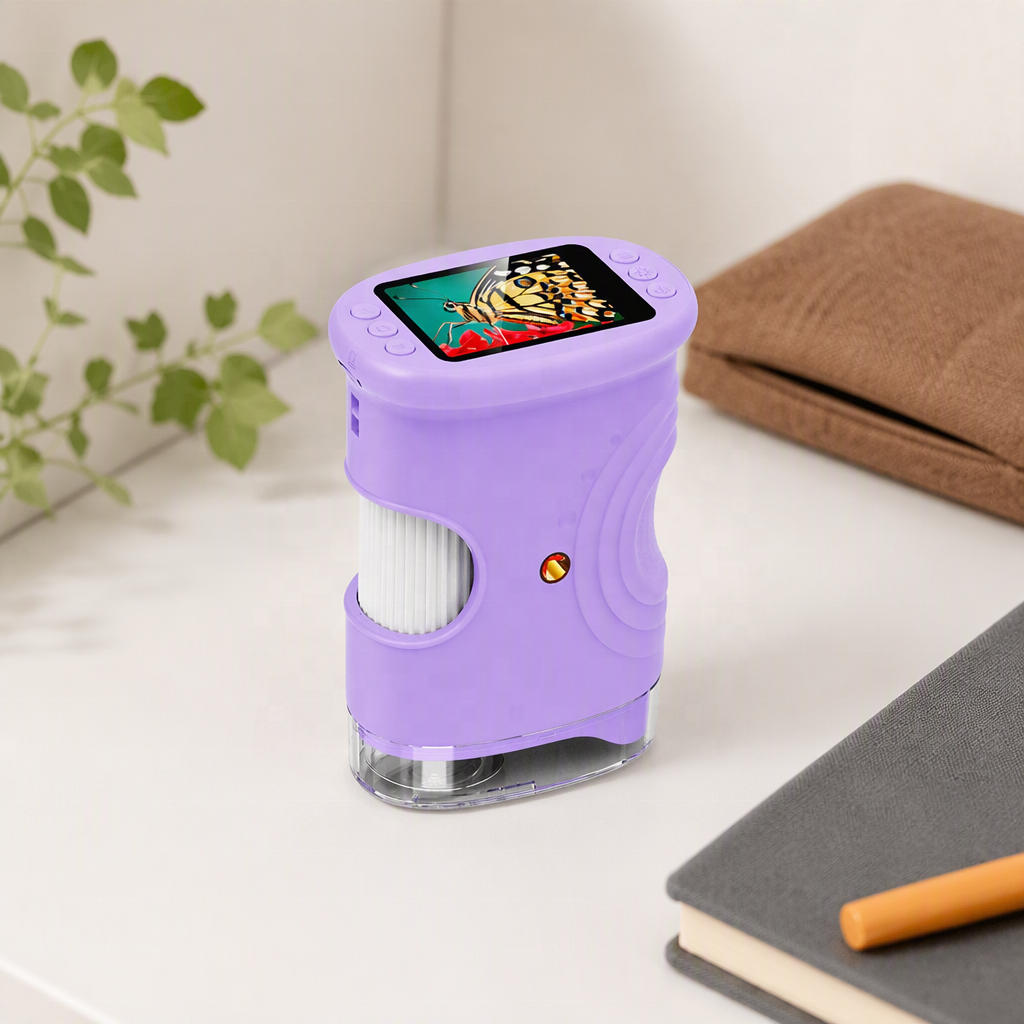
Portable Handheld Digital Microscope for Kids 2MP HD, 1000x Magnification Science Device
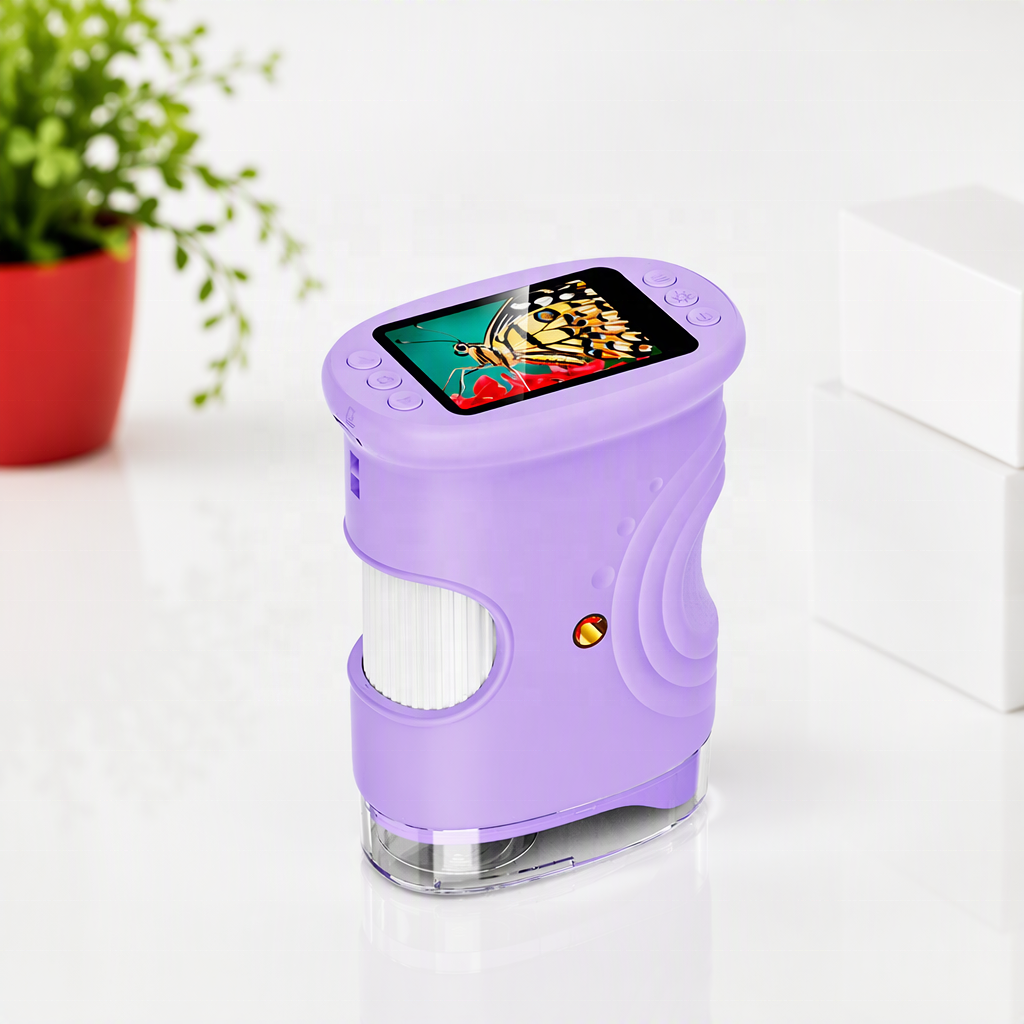
Portable Digital Microscope for Outdoor Exploration High-Definition Screen Observation Tool
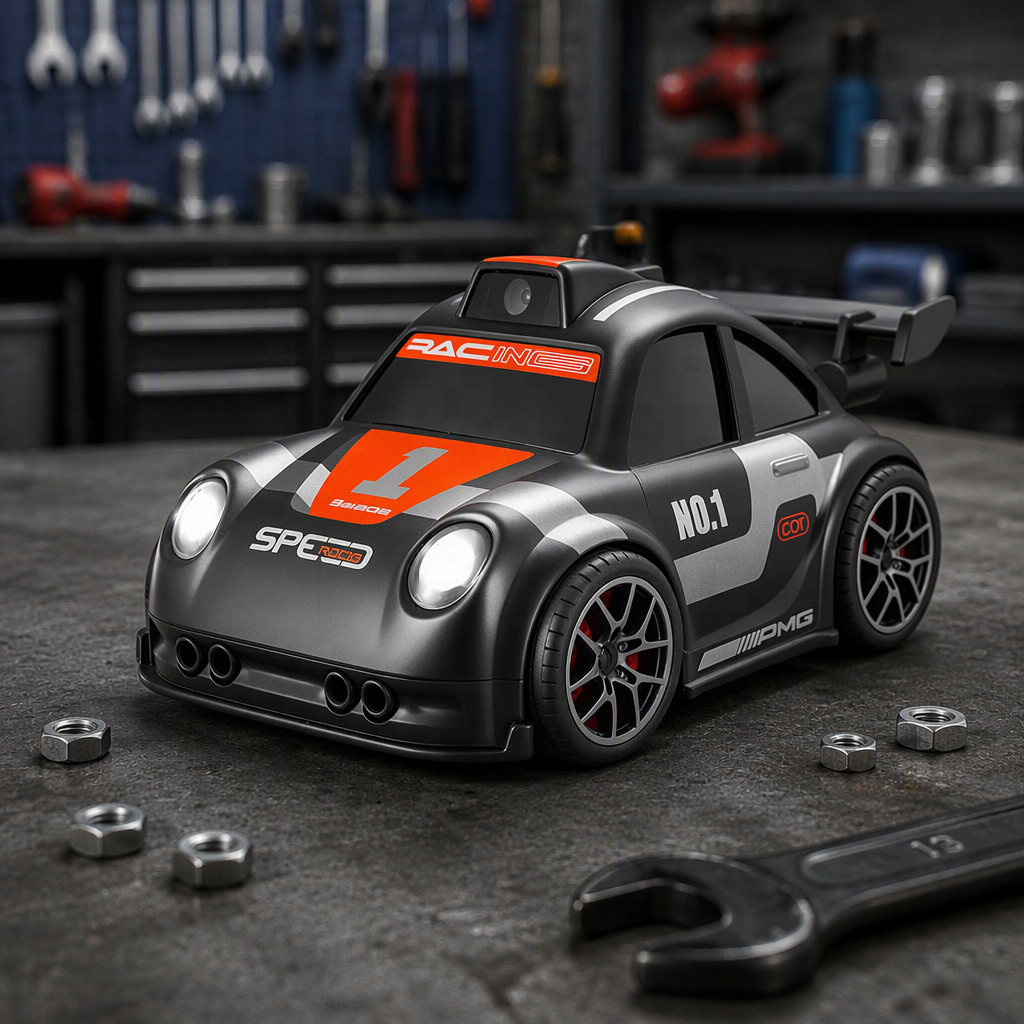
Desktop Mini Smart Remote-Controlled Drift Car with Camera: Real-Time FPV Transmission
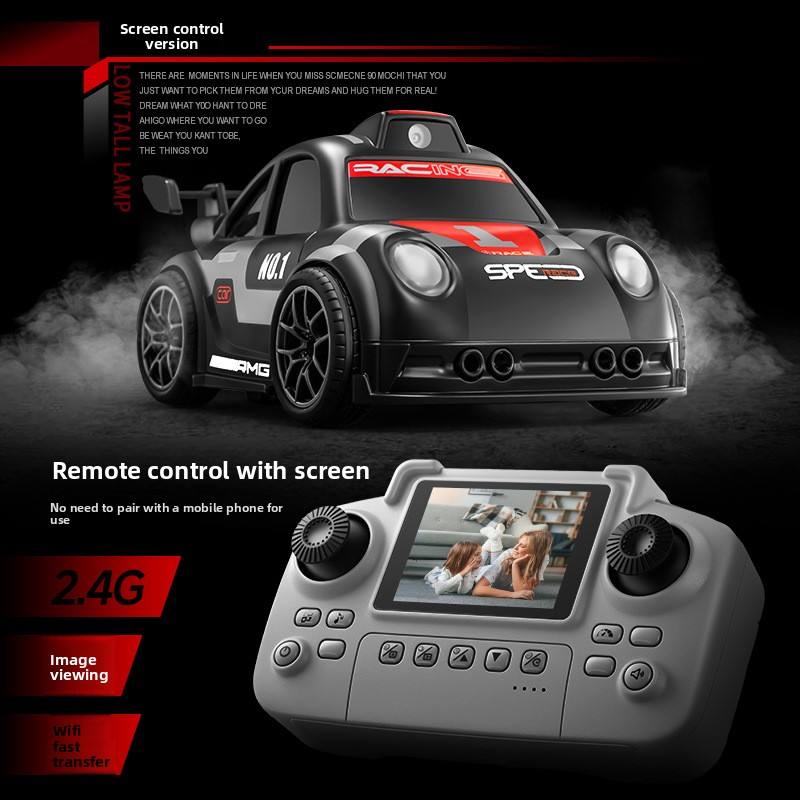
High-speed Remote-controlled Toy with Integrated Camera & Multi-functional Obstacle Avoidance
Engineering Excellence & Turnkey Supply Chain
Headquartered in Shenzhen’s high-tech manufacturing core, Shenzhen Vgoodtoys Technology Co., Ltd. coordinates precision tooling, PCB SMT engineering, acoustic testing, and localized compliance under one verified roof.
TÜV Onsite Verified
Complete corporate auditing, business legitimacy, and assembly line quality management verified on-site by TÜV Rheinland for global institutional procurement peace of mind.
Deep ODM Customization
Support spanning minor custom branding, mechanical mold tooling, custom synthetic fur/silicone overmolding, proprietary wake-word training, and dedicated software SDK integration.
International Compliance
Full batch validation against CE, EN71-1/2/3, EN62115, RoHS, REACH, ASTM F963, and FCC Part 15B. Factory-issued MSDS and UN38.3 lithium battery transportation documentation.
Elastic B2B Trade Terms
Accepting 14 delivery modalities including FOB, CIF, EXW, and door-to-door DDP, supporting 9 international settlement currencies (USD, EUR, GBP) with sample-order fast track dispatch.
The Technological Paradigm Shift in Electronic Pet Robotics
An executive engineering analysis detailing how Chinese hardware supply chains are replacing primitive looped toys with multimodal cognitive companion systems.
From Hardcoded Scripting to Edge-AI Architecture
For decades, traditional electronic pet toys—from vintage virtual pets to motorized barking dogs—relied on deterministic state machines. Actuation was triggered by mechanical switches or basic optical sensors, executing predetermined, repetitive sound bytes and motion paths. These static interaction trees resulted in an extremely steep churn curve, where consumer engagement degraded severely within weeks of purchase.
Modern electronic pet manufacturing in China has broken through this limitation by migrating to embedded micro-neural processors and dual-core hybrid DSP architectures. Today's flagship electronic pet toys integrate hardware-accelerated Natural Language Processing (NLP), dynamic intent extraction, and onboard Edge-LLM models (such as optimized DeepSeek and ChatGPT lightweight runtimes). These systems synthesize unique responsive feedback loops, recognize contextual nuances in children's speech, and cultivate adaptive artificial personalities that develop uniquely across months of play.
Kinematics, Biomimetic Actuation & Sensory Fusion
The tactile and visual believability of an electronic pet hinges on low-latency kinematic precision. China's electronic toy tier-1 supply ecosystem has transitioned from noisy spur-gear brushed motor assemblies toward closed-loop hollow-cup coreless motors and quiet planetary micro-servos. These micro-actuators enable multi-axis articulation across neck, limb, and ocular nodes, mimicking organic skeletal behavior with high energy efficiency.
Furthermore, hardware reliability requires synchronized sensory fusion. Contemporary smart robot pets integrate capacitive touch-grid sensors beneath skin matrices, omnidirectional acoustic beamforming mic arrays, and Time-of-Flight (ToF) optical sensors for collision avoidance. By orchestrating sensor inputs through unified SPI or I2C bus controllers, these companions execute realistic physical reactions—such as purring, retreating from edge hazards, or executing playful fetch routines—establishing genuine bi-directional empathy.
Future Procurement Trends in the Electronic Pet Sector
Critical technical vectors determining commercial success, shelf velocity, and consumer adoption over the coming decade.
Emotion AI & Adaptive Affective Computing
Global retailers are prioritizing electronic companions capable of detecting acoustic prosody and vocal sentiment. The integration of localized emotion classification algorithms allows devices to differentiate between distress, laughter, and commands, altering the toy's kinetic expressions and vocal tones dynamically to build long-term psychological bonds.
Local Speech Processing & Zero-Retention Cloud
Heightened regulatory scrutiny regarding minor privacy (COPPA in North America, GDPR-K in the EU) is driving a rapid shift toward offline-first wake word detection and local inference chips. Tier-1 enterprise buyers demand hardware architectures that do not retain biometric voiceprints and offer encrypted, parent-authorized firmware-over-the-air (FOTA) conduits.
The Convergence of Plush & Hard Robotics
The market is rapidly shifting away from cold, exposed plastics toward hybrid structures: soft, anti-allergenic, washable synthetic plush or medical-grade silicone skins wrapped around high-torque internal mechatronics. This gives children comforting tactile warmth combined with intelligent lifelike mechanical autonomy.
B2B Compliance & Reliability Verification Matrix
Rigorous international standard mapping deployed throughout Vgoodtoys' Shenzhen testing facilities and manufacturing nodes.
| Regulatory Protocol | Jurisdiction | Testing Focus & Technical Scope | Vgoodtoys Quality Benchmark |
|---|---|---|---|
| EN 71 Parts 1, 2, 3 & EN 62115 | European Union (CE Marking) | Mechanical drop stability, pinch points, flammability, heavy metal migration, and electronic toy circuit safety. | 100% RoHS certified raw ABS resins, seamless ultrasonic housing welding, non-toxic lead-free solder. |
| ASTM F963 / CPSIA | United States | Small parts choke hazards, phthalates, total lead content in substrate, and battery compartment screw locks. | Reinforced dual-screw internal battery enclosures, drop-tested from 1.5m across 6 surface vectors. |
| RED Directive / FCC Part 15B | Global / North America | Radio frequency interference, Wi-Fi/Bluetooth spectral emissions, and deliberate radiator EMC limits. | Shielded RF PCB layouts with pre-certified module integrations, minimizing spurious emissions. |
| UN38.3 & IEC 62133 | International Air/Sea Logistics | Lithium battery thermal abuse, altitude simulation, vibration resistance, overcharge protection. | Factory equipped with dual Seiko IC battery management boards (BMS) with self-resetting thermal fuses. |
Frequently Asked Questions for B2B Importers
Direct answers covering commercial terms, engineering capabilities, firmware localization, and sample lead times.
What is the baseline MOQ for standard stock vs. OEM customization?
To support market testing and regional pilot programs, our off-the-shelf catalog models carry a low MOQ of just 1 piece for evaluation. For basic OEM personalization (custom silk-screened logos, customized gift box packaging, custom manual translation), our MOQ typically starts at 500 to 1,000 units. Full ODM developments involving custom tooling, mold fabrication, and custom PCBA start at 3,000 units.
How are multilingual voice libraries and local dialects deployed?
Depending on the hardware tier, our AI electronic pet robots operate either on cloud-assisted NLP engines supporting 37 to 66 languages, or on localized offline flash memory containing high-frequency wake words and responses. We provide custom dialect training and regional accent optimization for retail brands targeting specific European, Latin American, or Middle Eastern retail zones.
What third-party verifications and factory audit reports are accessible?
Shenzhen Vgoodtoys Technology Co., Ltd. has undergone comprehensive onsite supplier verification by TÜV Rheinland, evaluating trade capacity, manufacturing partnerships, and financial legitimacy. We provide buyers with valid CE declarations of conformity, RoHS material analysis, and UN38.3/MSDS battery transport certificates. Project-specific testing reports at SGS, Intertek, or TÜV can be coordinated upon request.
What are the standard sample dispatch and mass production lead times?
Pre-configured sample units are dispatched via DHL/FedEx within 48 to 72 hours of inquiry confirmation. Functional prototype samples with minor aesthetic or firmware customization require 7 to 12 working days. Full mass-production runs for 1,000–5,000 units typically carry a manufacturing cycle of 22 to 30 calendar days, backed by strict AQL Level II critical inspection before release.
Accelerate Your Electronic Toy Pipeline with Factory Direct Agility
Partner with Shenzhen's proven engineering and manufacturing team. Access detailed pricing tables, high-resolution specification datasheets, unbranded retail samples, and comprehensive compliance dossiers immediately.