Featured Smart Robotics & STEM Educational Hardware
Explore our certified bionic robot dogs, conversational AI companions, and micro-optical systems engineered to stringent CE, FCC, and RoHS standards with 1-piece sampling availability.
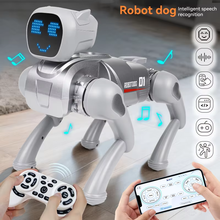
- Sensing: Infrared • Gesture Array
- Kinematics: Multi-Joint Omnidirectional
- Compliance: CE, FCC, RoHS Verified
- MOQ: 1 Unit (Sample)

- Voice Module: Real-time NLP Processor
- Battery: Li-ion Rechargeable USB-C
- Protocol: WiFi 2.4G • App Cloud Sync
- MOQ: Low MOQ Available
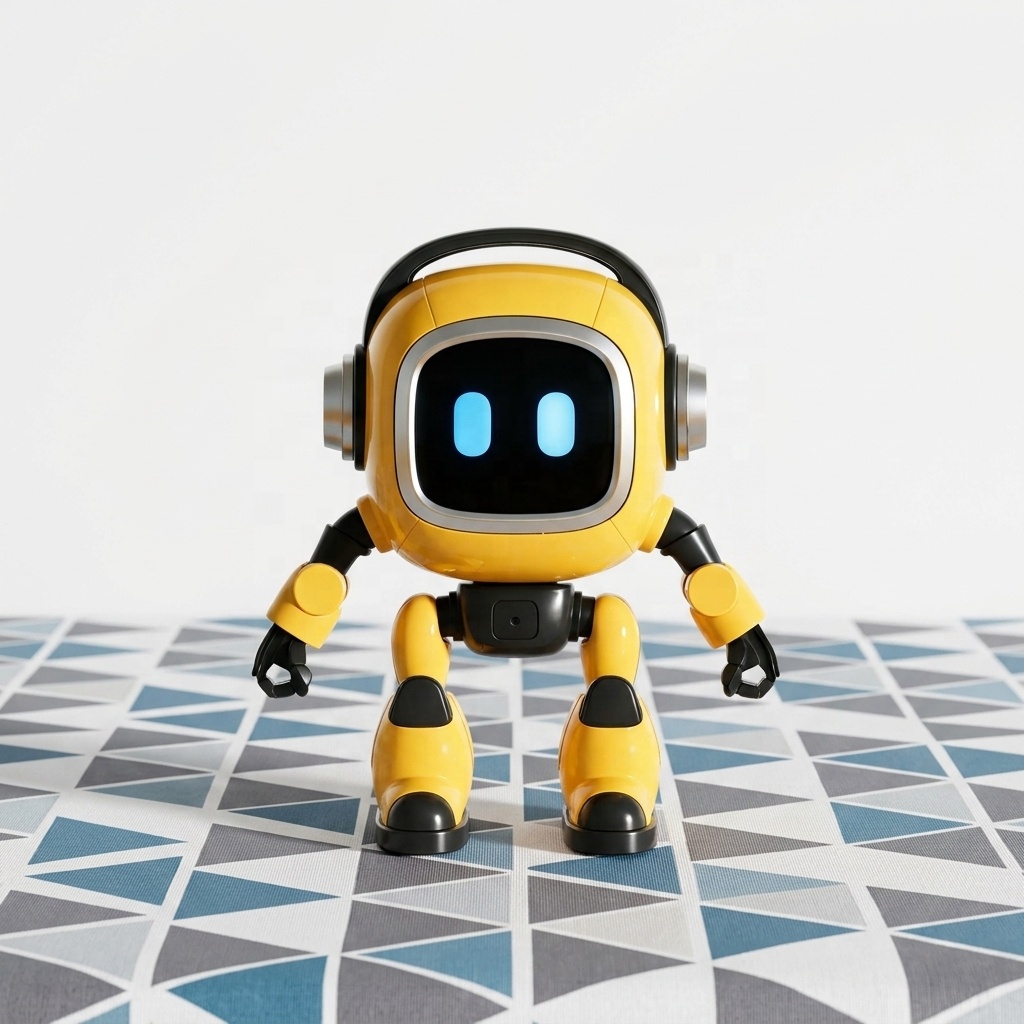
- Chassis: Modular Mecha Armor
- Modes: Dialogue, Poetry & Motion
- Packaging: Luxury Rigid Gift Box
- Custom: Firmware • Silkscreen
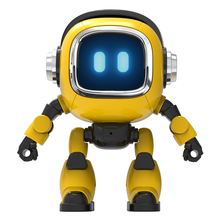
- Interaction: Proximity • Sound Sensing
- Education: STEM Phonetics & Math
- Enclosure: Eco-Friendly Safe ABS
- MOQ: Flexible Trial Orders
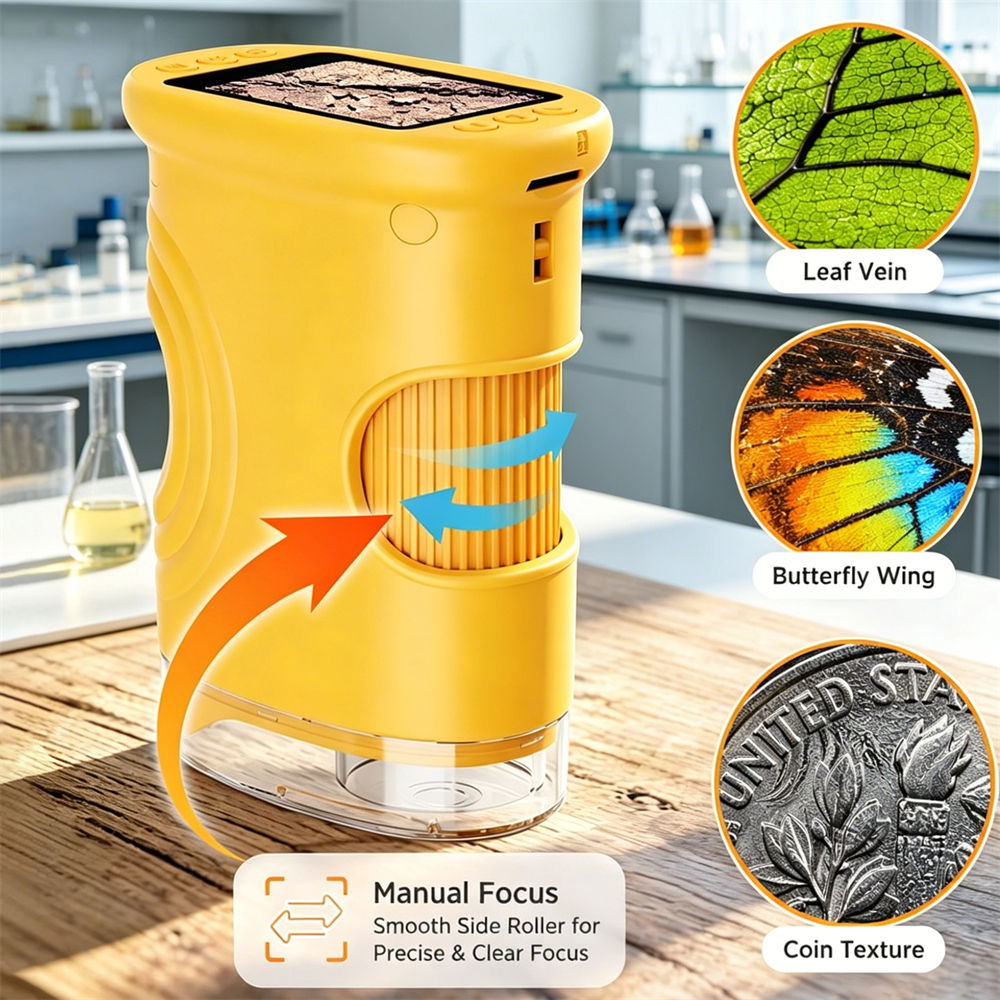
- Optics: 1000X Precision Magnifier
- Display: Integrated 2.0" IPS Panel
- Illumination: Adjustable LED Array
- Battery: Internal Rechargeable
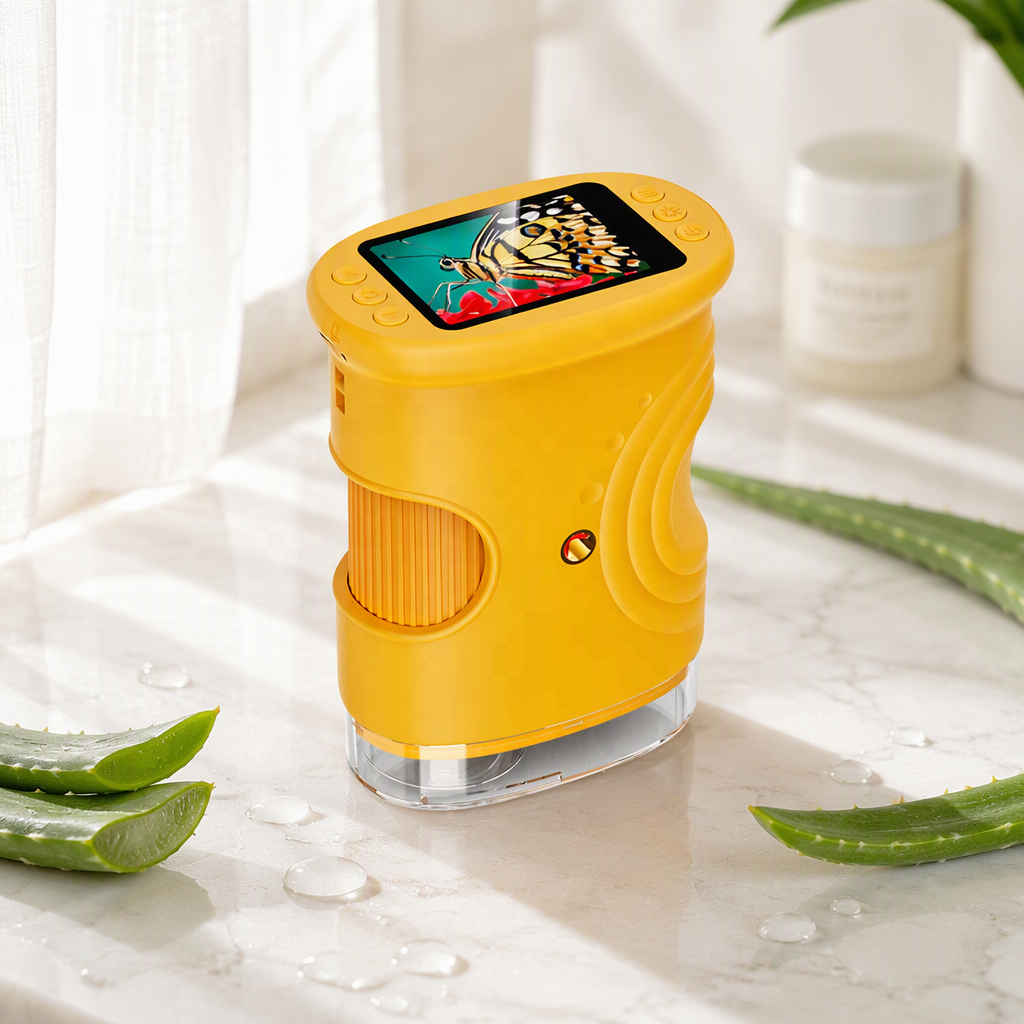
- Form Factor: Ergonomic Handheld
- Capture: Instant Snapshot & Storage
- Certifications: CE, EN71, CPC Compliant
- Custom: Pantone Color Matching
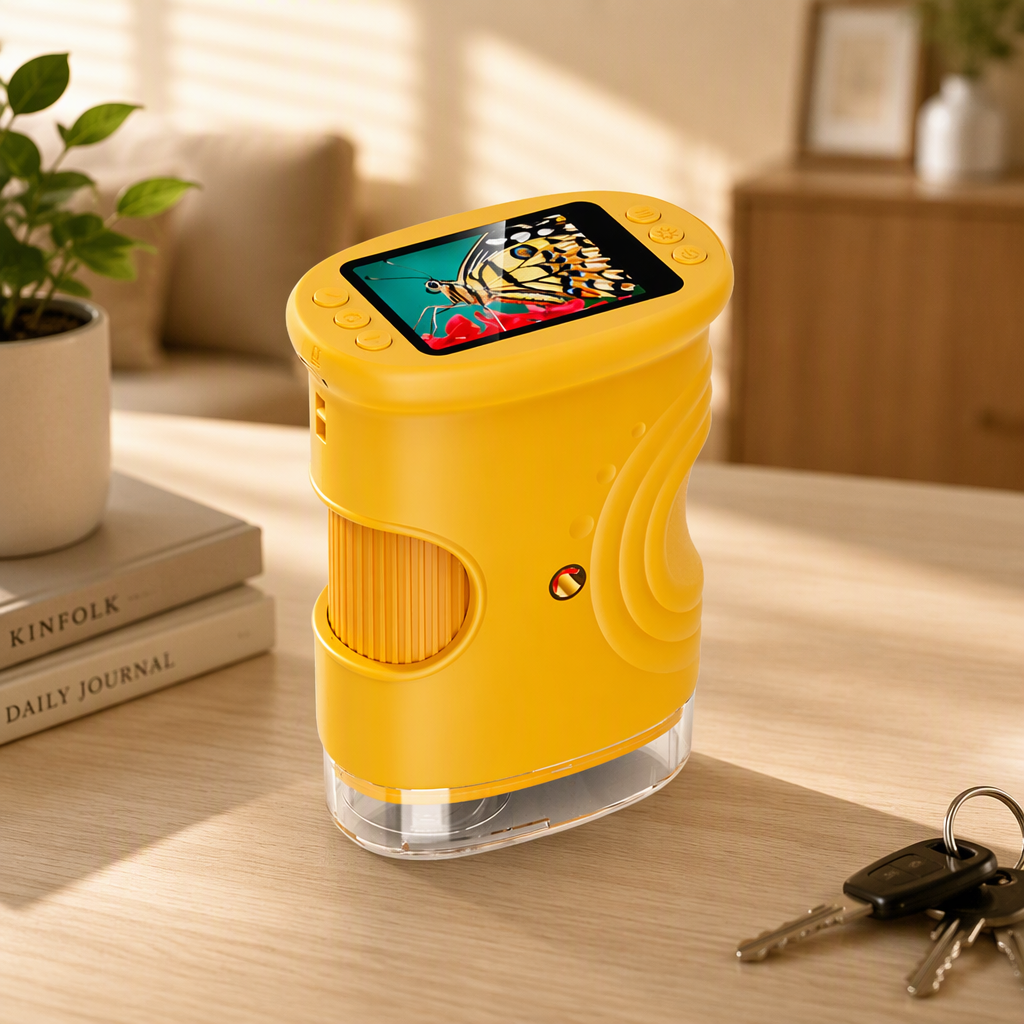
- Application: Field Observation • STEM
- Housing: Shock-Proof Reinforced ABS
- Lighting: Multi-Level Surface LED
- Package: Custom Export Blister/Box
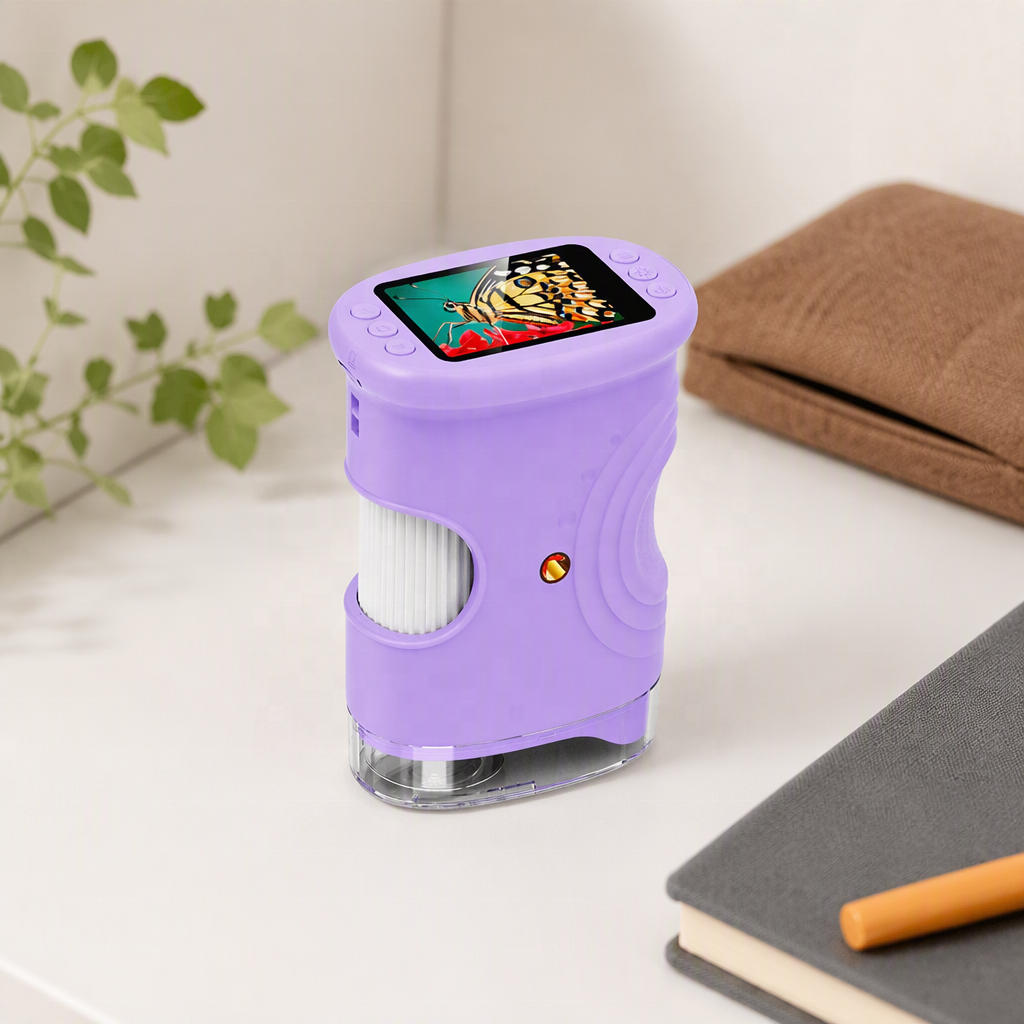
- Resolution: Native 1080P Full HD
- Sensor: 2MP High-Dynamic Range CMOS
- PC Link: USB Micro-Camera Direct Feed
- Factory: Direct Wholesale Tier-1
Technical Architecture of Gesture Control Robot Dogs
Gesture control quadruped robots represent an engineering convergence of edge-based computer vision, Time-of-Flight (ToF) infrared optical ranging arrays, micro-electromechanical inertial measurement units (MEMS IMU), and dynamic inverse kinematic controllers. For enterprise purchasing directors and consumer electronic brand owners, selecting a manufacturing partner requires an exhaustive grasp of how low-latency gesture recognition translates into biological-grade quadrupedal locomotion.
Modern production-grade gesture control robot dogs abandon primitive single-beam infrared phototransistors in favor of multi-pixel optical matrix sensors and ambient-light-canceling structured light emitters. When a user executes a directive—such as palm elevation for sitting, forward waving for advance locomotion, or hand rotation for 360-degree yaw—the sensory cluster samples spatial coordinates at rates exceeding 60Hz. These spatial coordinate deltas are fed into an onboard low-power neural processing unit (NPU) or embedded DSP running optimized hand-pose classification topologies. This architecture ensures that gesture recognition latency remains strictly under 45 milliseconds, eliminating visual disconnect and control hysteresis.
Hardware Component Selection & Tier-1 Sourcing Benchmarks
Global procurement teams must assess factories based on component-level Bills of Materials (BOM). Below is our audited engineering standard implemented across our assembly operations in Shenzhen:
| Subsystem | Tier-1 Factory Specification | Standard Market Alternative | Impact on Reliability & Returns |
|---|---|---|---|
| Gesture Sensor Array | Multi-Zone ToF + IR optical array with 940nm bandpass filter | Single-channel photodiode / basic CDS light sensor | Prevents ambient sunlight interference; drops gesture false-trigger rate by 92% |
| Servo Actuators | Metal-gear, coreless DC servos with potentiometer feedback (1.8kg•cm) | Plastic spur-gear brush motors without position feedback | Prevents gear stripping under forced mechanical stalls; MTBF > 450 operational hours |
| Main Processing Unit | 32-bit ARM Cortex Dual-Core architecture (RTOS enabled) | Generic 8-bit consumer microcontrollers | Permits simultaneous NLP voice dialogue, gesture processing, and fluid gait calculation |
| Power Management | UN38.3 • CE certified Li-ion cells with over-voltage & thermal NTC protection | Uncertified secondary recycled lithium cells | Guarantees 500+ charge cycles while maintaining strict container-shipping safety compliance |
| Enclosure Structural Shell | Flame-retardant high-impact ABS + Polycarbonate (UL94-V0 option) | Recycled brittle polystyrene (PS) | Withstands drop-test protocols from 1.2 meters onto solid concrete without structural rupture |
Future Procurement Trends in Gesture Control Robot Dogs
As consumer electronics, smart companionship, and STEM educational products converge, the procurement paradigm for gesture-controlled quadrupeds is undergoing three transformative transitions that international B2B buyers must navigate to maintain category leadership:
Edge-AI Multimodal Fusion
Next-generation quadrupeds no longer process gestures in isolation. Hybridized algorithms bind spatial hand gestures with conversational Large Language Models (LLM) and onboard edge voice recognition. A single raised hand accompanied by a localized spoken query triggers contextual physical interactions, transforming toys into emotional companions.
Bionic Elasticity & Brushless Migration
High-end consumer bionics are rapidly phasing out standard brushed coreless motors in favor of field-oriented control (FOC) brushless hub motors and compliant joint mechanisms. This shift drastically diminishes acoustic noise below 42dB, improves battery efficiency by 35%, and renders realistic biological quadrupedal pacing.
Low-Carbon Recyclability Protocols
With stringent European Union Ecodesign Regulations and global packaging mandates, Tier-1 manufacturing pipelines are pivoting toward post-consumer recycled (PCR) plastic shells, screw-less modular chassis for end-of-life battery reclamation, and biodegradable soy-ink paper packaging.
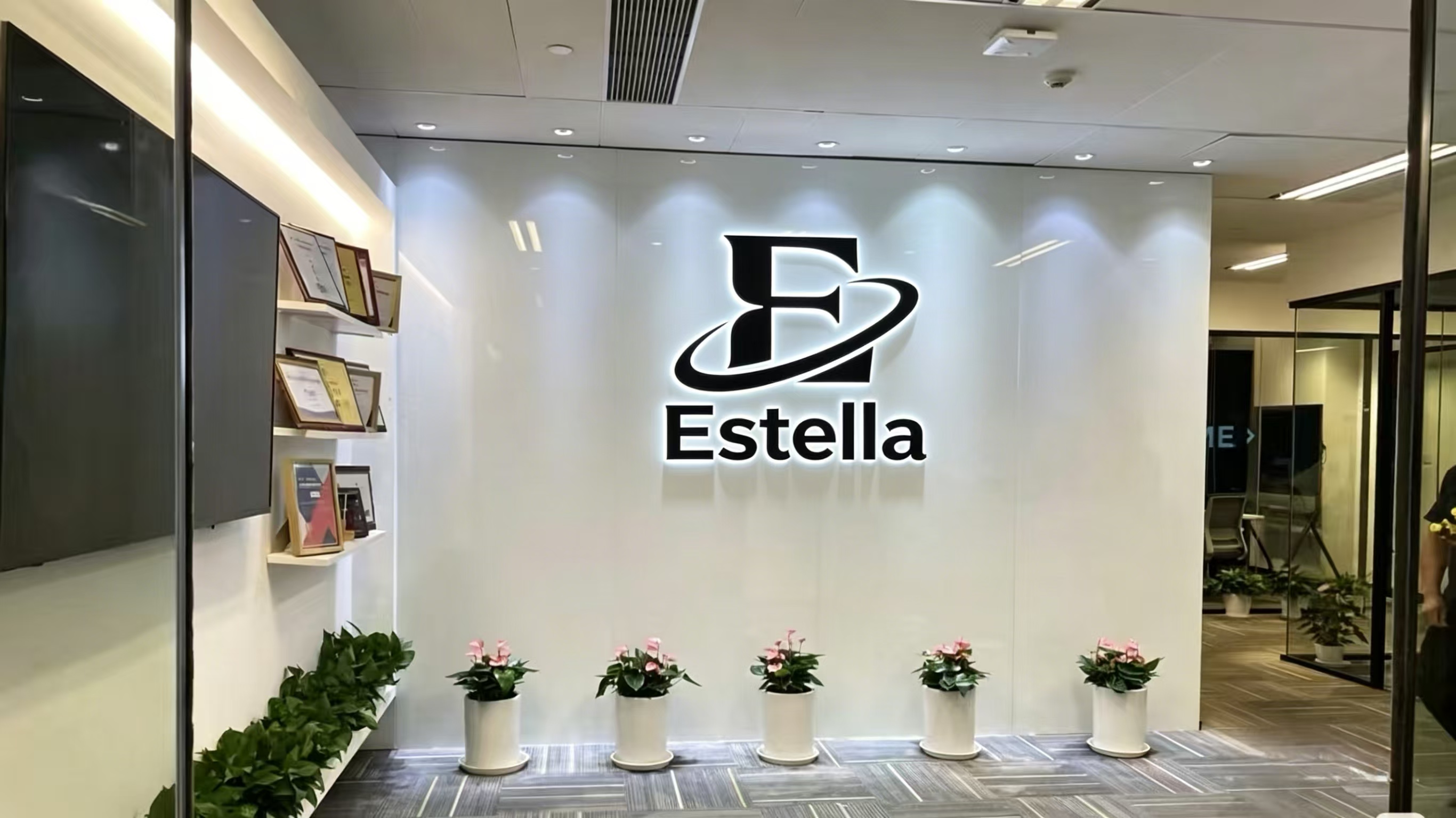
Shenzhen Vgoodtoys Technology Co., Ltd.
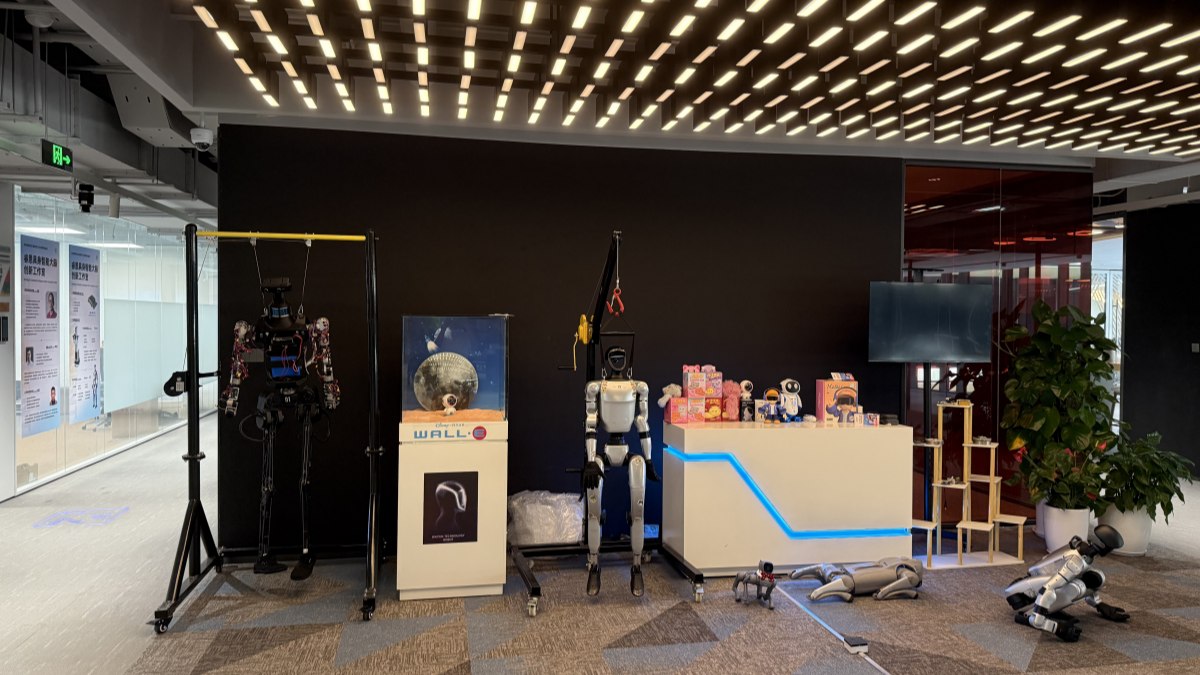
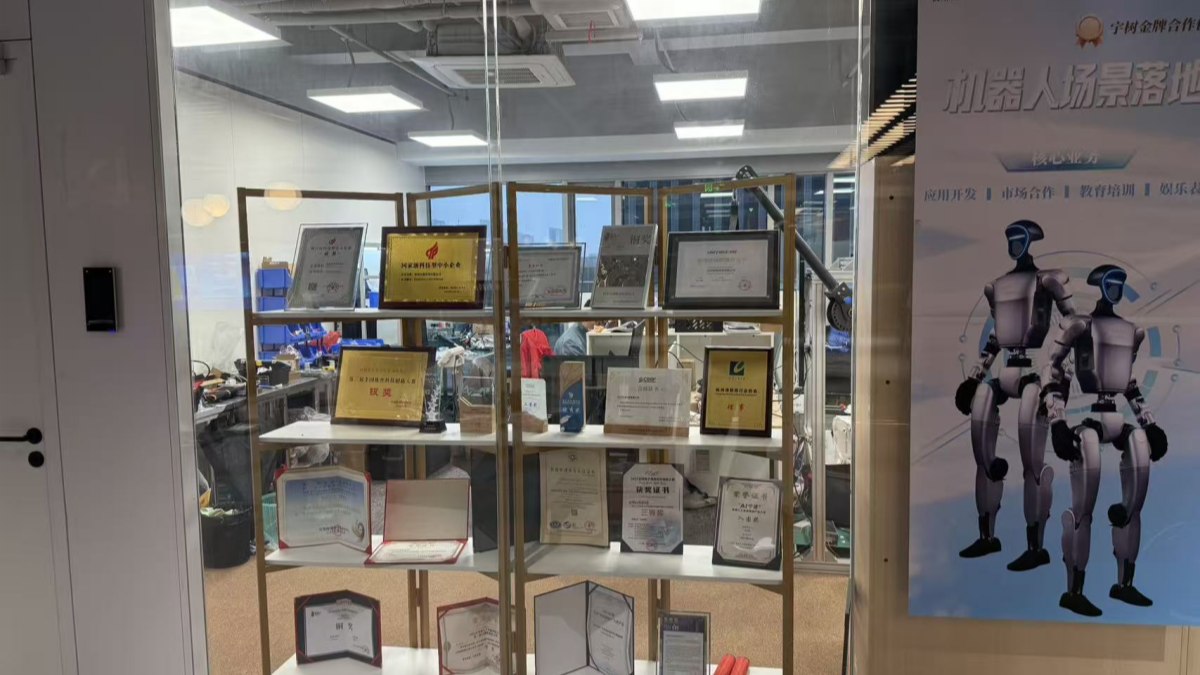
Founded on an integrated model of advanced research, proprietary tooling, precision manufacturing, and comprehensive international distribution, Shenzhen Vgoodtoys Technology Co., Ltd. represents the premier manufacturing baseline for global AI toys and intelligent consumer hardware.
Operating in the core electronic and mechanical supply corridor of Shenzhen, our manufacturing facilities have completed rigorous onsite verification by TÜV Rheinland. We provide end-to-end original equipment manufacturing (OEM) and original design manufacturing (ODM) services, spanning minor aesthetic branding to ground-up PCB schematic layout, firmware coding, and custom plastic injection mold engineering.

Frequently Asked Questions: Global Sourcing & Compliance
Authoritative technical, commercial, and regulatory guidance compiled by our export engineering team for brand purchasing managers and channel distributors.